

Technology has a funny way of sneaking into our daily lives until we suddenly can’t imagine morning routines without it. A few years back, wearing a smartwatch felt like a niche flex for Smart tech geeks. Today? You use one to dismiss annoying group chat texts, track your deep sleep, pause your podcast, find your keys, and keep tabs on your heart rate—all before you’ve even finished your first cup of coffee.
Here in 2026, smart devices are no longer just flashing lights and gimmicks built to look futuristic. They’re actually becoming useful, deeply connected, and genuinely tailored to how we live. We’re seeing everything from phones that do heavy editing lifting to smart glasses that overlay directions right in front of your eyes.
But let’s be totally honest: you do not need every shiny new gadget that hits store shelves.
The absolute best smart device isn’t the one with fifty features you’ll never touch—it’s the one that quietly saves you fifteen minutes of frustration every single day. Maybe that’s a smartwatch that stops you from picking up your phone every two minutes, a dead-simple smart plug for your coffee maker, or noise-canceling earbuds that make your noisy commute tolerable.
Let’s skip the marketing hype and break down what’s actually happening with smart tech right now, what’s worth your hard-earned money, and how to avoid buying junk you’ll throw in a desk drawer next month.
The Cheat Sheet: 2026 Smart Device Breakdown
If you just want a quick, real-talk comparison of what these gadget categories actually do best (and who they’re meant for), start here:
| Device Category | Who It’s ACTUALLY Best For | The #1 Real-World Benefit | Daily “Hassle” Factor | Expected Lifespan |
| AI Smartphones | Heavy multitaskers, creators, busy pros | On-device voice summaries, fast photo edits, instant translations | Low (You already carry one everywhere) | 3–5 Years |
| Smartwatches & Rings | Active folks & people trying to put their phones away | Glancing at health trends & notifications without screen distraction | Low–Medium (Need regular charging & strap fit) | 2–3 Years |
| Wireless Earbuds | Commuters, remote workers, gym-goers | Crystal-clear calls & blocking out background noise | Low (Just keep the case charged) | 2 Years (Battery degradation) |
| Smart Speakers/Displays | Families & smart home beginners | Hands-free timers, quick weather checks, & group music routines | Low (Set it up once on Wi-Fi and forget it) | 4–6 Years |
| Smart Glasses | Tech adopters & hands-free commuters | Instant audio/visual info right in your view without pulling out a phone | Medium (Charging another pair of glasses) | 2 Years |
| Smart Home & Security | Homeowners, renters, frequent travelers | Peace of mind & automated daily chores (like vacuuming) | High Initially (Setup & pairing apps can be annoying) | 5+ Years |
Deep Dive: What’s New in 2026 and What Worth Your Cash?
1. AI-Powered Smartphones: Moving Past the Gimmicks
Smartphones are still the mothership of all your tech, but the way we use them has fundamentally shifted. Instead of opening four different apps to plan a trip or draft an email, on-device AI handles these multi-step chores through simple plain-English prompts.
- The Real-Life Win: You snap a long screenshot of a 50-message group chat planning a weekend trip, and your phone automatically pulls out the dates, address, and who is bringing what. Or you take a photo at a crowded park and erase the stray trash can in two taps without opening photoshop.
- Real Talk: If you primarily use your phone for scrolling social media, making calls, and sending basic texts, you do not need to spend $1,200+ on a top-tier AI flagship. Last year’s mid-range phone is likely more than fast enough for you.
2. Smartwatches & Smart Rings: Health Without the Screen Addiction
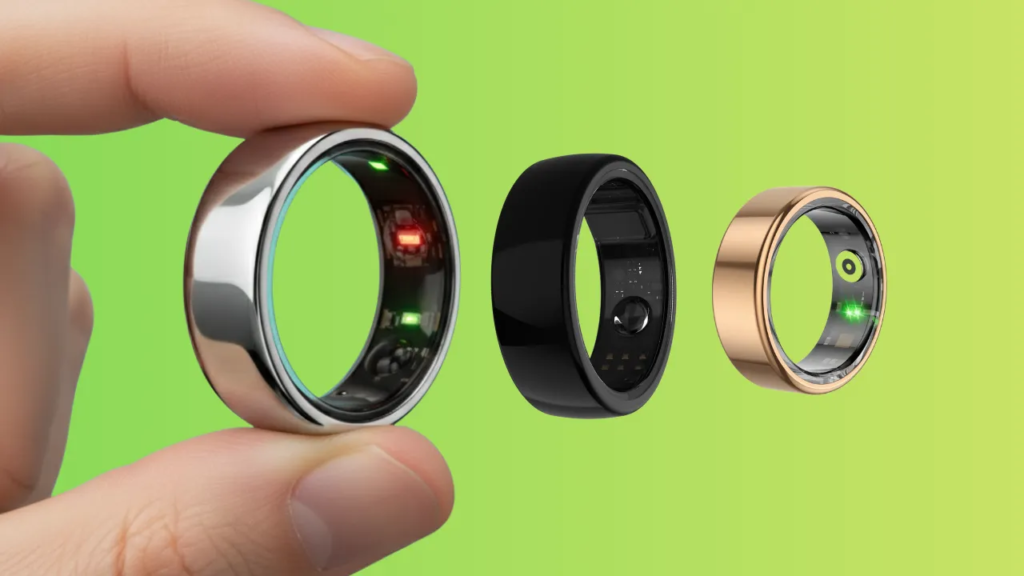
The biggest trend right now isn’t adding bigger screens to your wrist—it’s getting rid of screens altogether. Smart rings (like Oura, Samsung Galaxy Ring, and Ultrahuman) have exploded because people want continuous health, heart rate, and sleep tracking without wearing a glowing rectangle to bed.
- Features That Actually Matter:
- Battery Life: A watch that dies every 18 hours is a chore. Look for models giving you 4–7 days minimum (or rings that last a full week).
- Comfort: If a rubber band gives you a rash or a heavy case hits your wrist bone during pushups, you’ll stop wearing it in three days. Comfort beats fancy specs every single time.
3. Wireless Earbuds: Your Personal Quiet Zone
Earbuds have evolved from simple music accessories into legitimate hearing & productivity tools. Active Noise Cancellation (ANC) has gotten so good that even entry-level $60 earbuds can mute a noisy bus engine or a loud coffee shop.
- What to Prioritize: Ignore marketing buzzwords like “super bass” and focus on mic quality for calls and fit comfort. If you wear earbuds for 3-hour Zoom meetings or long runs, wingtips and pressure-relieving vents matter a lot more than hypothetical audio fidelity.
4. Smart Home Devices: Keep It Stupidly Simple
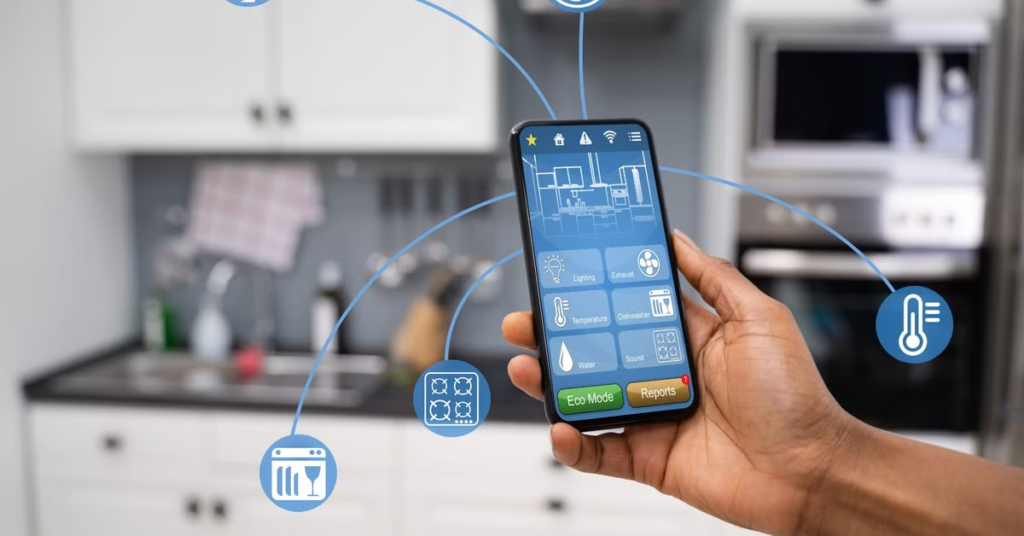
The golden rule of building a smart home: start small. Don’t go out and buy 30 smart bulbs, three smart locks, and a robotic window cleaner on day one. You’ll end up with five different buggy apps and a headache.
1.Step 1: The Gateway Gadgets:Cost: ~$15–$30.
Buy two smart plugs or a starter pack of smart bulbs. Plug your coffee maker or living room floor lamp into them. Set a simple routine: “Turn on floor lamp at sunset.” Experiencing automated convenience without app friction builds confidence.
2.Step 2: Add Central Voice Control:Cost: ~$50–$100.
Add a single smart speaker or display (like an Amazon Echo or Google Nest) in your kitchen or living room. Use it for hands-free kitchen timers, morning news updates, and controlling those Step 1 plugs.
3.Step 3: Target Specific Pain Points:Cost: Varies ($100–$400+).
Identify ONE daily annoyance. Tired of sweeping pet hair? Get a mid-range robot vacuum. Paranoid about packages on the porch? Install a video doorbell. Only buy gadgets that solve an explicit problem you face weekly.
The Quiet Tech Revolution: Interoperability (Matter Standard)
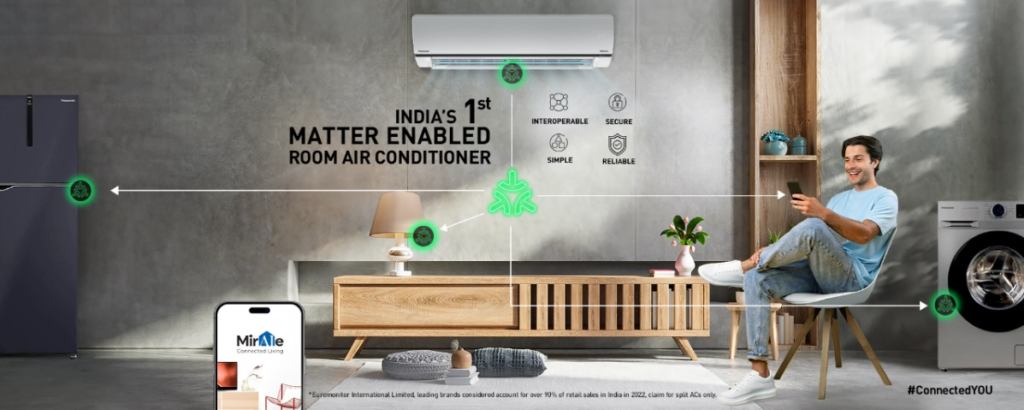
For years, the biggest nightmare of smart tech was compatibility. You’d buy a smart light strip only to realize it worked with Alexa but hated Apple Home, or required its own proprietary bridge that hogged a router port.
Thanks to the widespread adoption of the Matter standard across Apple, Google, Amazon, and Samsung, devices now talk to each other across platforms smoothly. When buying smart plugs, bulbs, or sensors, just look for the “Matter” logo on the box. It means you aren’t locked into one tech brand forever.
5 Rookie Mistakes to Avoid When Buying Tech
- Falling into the Subscription Trap: Always read the fine print! Many security cameras, smart rings, and AI gadgets look cheap upfront ($99), but lock their best features—like cloud video history or detailed sleep analysis—behind a mandatory $10/month subscription. Calculate the 2-year total cost before buying.
- Buying for Future Promises: Never buy a device based on a feature the company promises to launch “via software update later this year.” Buy the gadget for what it can do on the day you open the box.
- Ignoring Privacy Controls: Smart cameras and always-listening microphones belong in your house, which means your privacy matters. Look for devices that feature local data processing (meaning your video/audio stays inside your house instead of flying to a server) and physical mute switches/lens shutters.
- Upgrading Every Single Year: Silicon technology has plateaued in the best way possible. A two-year-old smartwatch or flagship phone is still 90% as good as the brand-new model sitting in stores right now. Don’t waste money upgrading incrementally.
- Complicating Simple Stuff: A manual light switch takes 0.5 seconds to flip. If turning on your bedside lamp requires unlocking your phone, opening an app, waiting for Wi-Fi to pair, and tapping three menus… congratulations, you made your life harder with “smart” tech.
Best Software 2026: Top Tools for Work, Business & Productivity
Software has become an essential part of modern life, helping people work faster, manage businesses,…
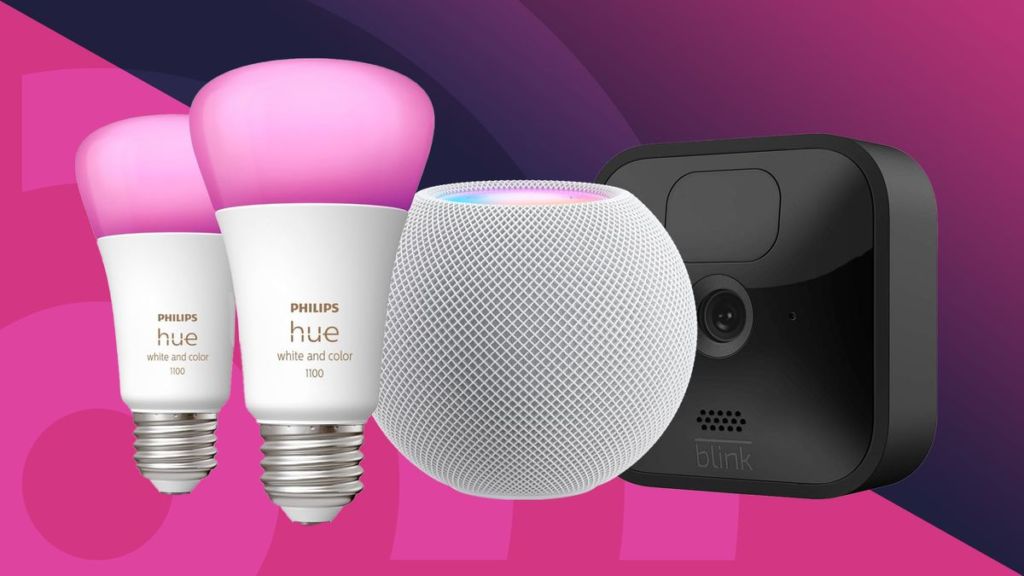
Smart Home Technology 2026: Best Devices for a Smarter Home
Smart home technology has become a practical part of everyday life. What once seemed like…

Best Cloud Software for Businesses and Teams in 2026
Think about how much of your work happens online today. Files are shared through links,…
Best Online Privacy & Security Tools in 2026: Top Picks
Let’s be honest about what taking back your digital privacy actually feels like. You read…

Semiconductor Technology Trends 2026: The Future of Chip Innovation
If you are reading this on a phone, a laptop, or even a tablet mounted…

Online Shopping Trends 2026: Smart Ways to Shop for Tech
Let’s be honest about buying electronics online Shopping right now: the sheer volume of options…