
Let’s be completely real for a second: trying to keep up with tech in 2026 can feel like standing in front of a firehose of shiny promises.
Every single week, some company launches a new smart device claiming it will revolutionize your life, streamline your morning, or turn your home into something out of a sci-fi movie.
Do you actually need all these gadgets? Honestly? Absolutely not.
A lot of modern tech ends up sitting in a junk drawer after two weeks once the initial novelty wears off. The tech upgrades that are actually worth your hard-earned money aren’t the ones with the flashiest marketing campaigns; they’re the low-key, reliable sidekicks that solve an actual, daily headache.
Whether that’s a pair of earbuds that block out the chaotic noise of your morning commute, a battery bank that saves you when your phone hits 2%, or an e-reader that lets you read on the beach without glaring sun reflection, good tech should make your life simpler—not more complicated.
The Golden Rule of Tech Shopping: If you can’t explain the specific, real-world headache a gadget fixes in your daily routine, you probably don’t need to buy it yet.
What Makes a Gadget Worth Your Hard-Earned Cash?
A gadget doesn’t become “good” just because it has a high-speed processor or a sleek, futuristic design. Before pulling out your credit card, think about how it actually fits into your normal, messy routine.
Here is a realistic checklist of what to evaluate before buying:
| Feature to Check | Why It Actually Matters | The Real-World Test |
| Price vs. Value | Keeps you within budget without overpaying for hype. | Will this solve a $100 problem or a $10 problem? |
| Battery Life | Reduces the annoyance of daily charging cables. | Can it survive a long travel day without dying? |
| Ecosystem Compatibility | Ensures it talks nicely with the devices you already own. | Does it pair seamlessly with your current phone OS? |
| Build Durability | Protects your investment against accidental drops. | Will it survive getting tossed into a backpack? |
| Ease of Use | Saves time, setup hassle, and daily frustration. | Can you use it without reading a 50-page manual? |
| Privacy & Security | Protects your personal data from unwanted sharing. | Does it demand weird app permissions it doesn’t need? |
1. Smartwatches: Convenience Right on Your Wrist
Smartwatches have moved way beyond basic step counting. Today’s models are mini-command centers for your wrist, handling navigation, quick phone calls, music playback, health metrics, and instant notifications.
The biggest perk for most busy people is convenience. Being able to glance at your wrist to see if a text is actually urgent means you don’t have to pull out your phone and get sucked into social media every five minutes.
- Pro Tip: Don’t pay for top-tier sports tracking features if you just want to read text messages and see how far you walked. Match the watch to your actual lifestyle, not who you hope to be next month.
2. Wireless Earbuds: The Ultimate Everyday Upgrade
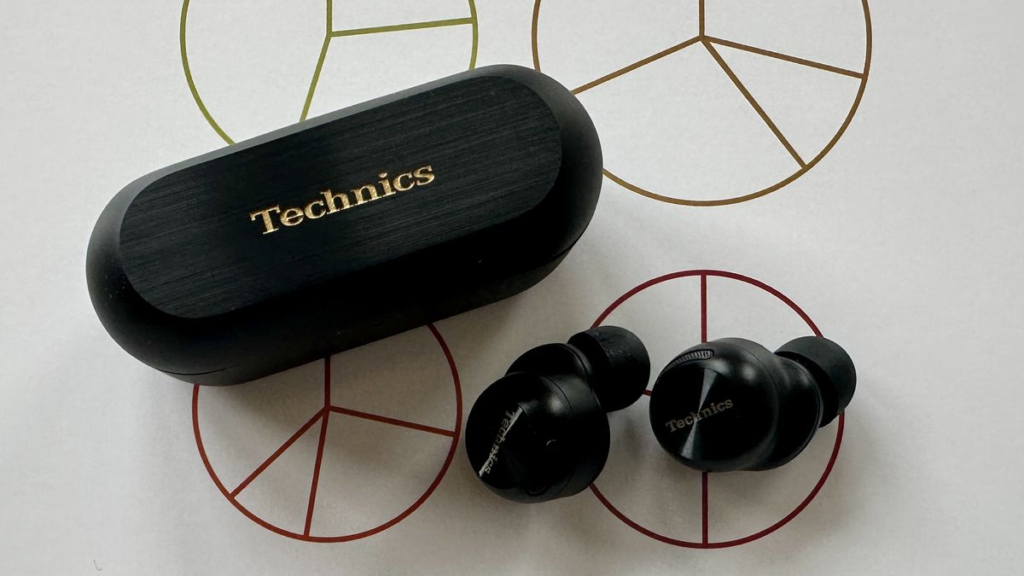
If you commute, work in a busy office, exercise, or just like listening to podcasts while doing the dishes, a solid pair of noise-canceling earbuds is arguably the best value-for-money tech upgrade you can make.
When shopping, ignore the fancy audio jargon for a second and focus on comfort. An earbud can have mind-blowing sound quality, but if it gives you a headache after 20 minutes, it’s useless.
- What to prioritize: Comfortable silicone tips, solid Active Noise Cancellation (ANC), clear call microphones, and a charging case that lasts at least a full weekend.
3. Smart Home Starters: Small Conveniences Add Up
You don’t need to turn your entire house into a complex smart hub overnight. In fact, doing that usually leads to a mess of competing apps and voice commands.
The smartest way to build a smart home is to fix one small annoyance at a time:
- Smart Plugs: Great for setting lamps on automatic timers or making sure you didn’t leave the coffee pot running after leaving for work.
- Smart Bulbs: Perfect for dimming lights from your bed or setting warmer tones for evening relaxation.
- Smart Speakers: Ideal in the kitchen for hands-free timers, playing music while cooking, or checking the weather forecast.
4. Tablets: The Sofa & Travel Hero

Tablets sit in that sweet spot between a tiny phone screen and a bulky laptop. They are unmatched for watching movies in bed, reading digital magazines, taking handwritten notes with a stylus, or sketching.
For students, a mid-range tablet paired with a stylus can replace three heavy notebooks. For frequent travelers, it’s a lightweight cinema screen that slips easily into a seat-back pocket on a flight.
5. Portable Power Banks: The Low-Key Lifesaver
A battery bank isn’t a flashy gadget you show off to your friends, but the second your phone battery hits 3% when you’re stuck at an airport or lost in an unfamiliar neighborhood, it becomes the most valuable thing in your bag.
- How to pick one: Don’t just buy the biggest, heaviest battery you can find. A ultra-high-capacity power bank is great, but if it feels like carrying a heavy brick in your jacket, you’ll end up leaving it at home. Look for a sleek, slim bank that easily fits into a pocket or small bag.
6. E-Readers: Distraction-Free Reading
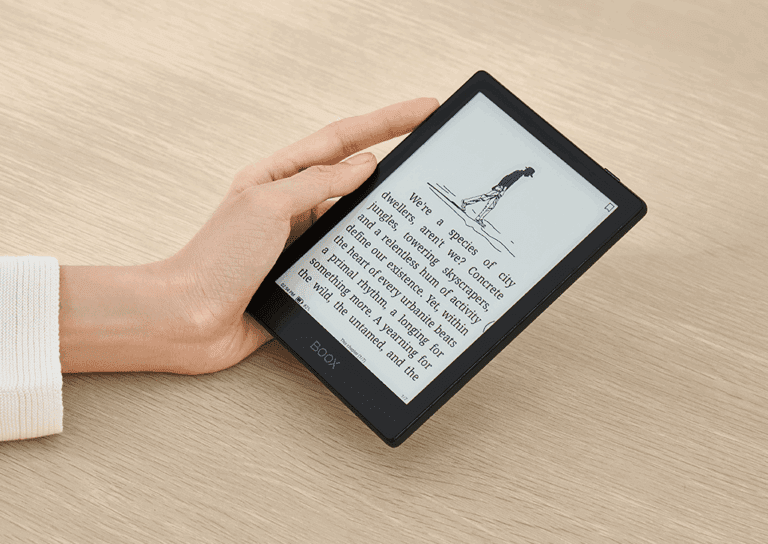
If you love reading books, reading on an e-reader is night and day compared to staring at your phone or tablet screen.
E-ink displays mimic real paper, meaning zero harsh eye strain and perfect readability even under bright daylight. Plus, unlike phones that constantly bombard you with email alerts, group chat texts, and app notifications, an e-reader does one thing and does it brilliantly: it lets you read peacefully.
7. Portable SSDs: Lightning-Fast Backups
For anyone working with photography, video editing, large work projects, or digital archives, a pocket-sized external Solid State Drive (SSD) is an absolute essential.
Modern portable SSDs are roughly the size of a credit card, insanely fast, and durable enough to survive dropping onto a hardwood floor.
- Rule of Thumb: Never store important memories or work files in just one place. Keep them on your computer and backed up to a portable drive or secure cloud service.
How to Match Gadgets to Your Real Lifestyle
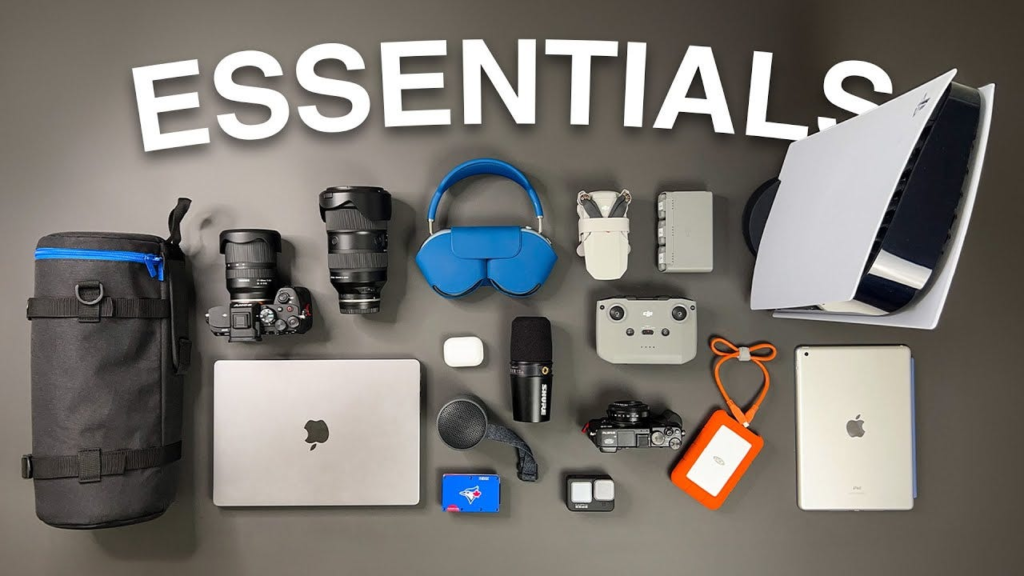
Instead of buying things because they’re trending online, shop based on the specific routine you actually live every day:
- For the Daily Commuter: Active noise-canceling earbuds, a pocket power bank, and a smart tracker on your keys or bag.
- For the Remote Worker: A comfortable laptop stand, a vertical ergonomic mouse, a decent external webcam, and a second monitor.
- For the Fitness Enthusiast: A lightweight fitness band or smartwatch, water-resistant earbuds, and a compact Bluetooth speaker for home workouts.
- For the Traveler: An e-reader, a universal travel plug adapter, a portable power bank, and Bluetooth audio transmitters for airplane screens.
The Pre-Purchase Sanity Check
Before hitting “Place Order” on any shiny new device, ask yourself these five plain-English questions:
- What actual problem will this solve for me tomorrow?
- Do I already own something that does 80% of what this does?
- Does it work effortlessly with my current phone and laptop?
- Is the free/cheaper version good enough for how I’ll use it?
- Will I still care about using this in six months?
If you can confidently answer those questions, you’re far less likely to end up with buyer’s remorse sitting in a drawer.