
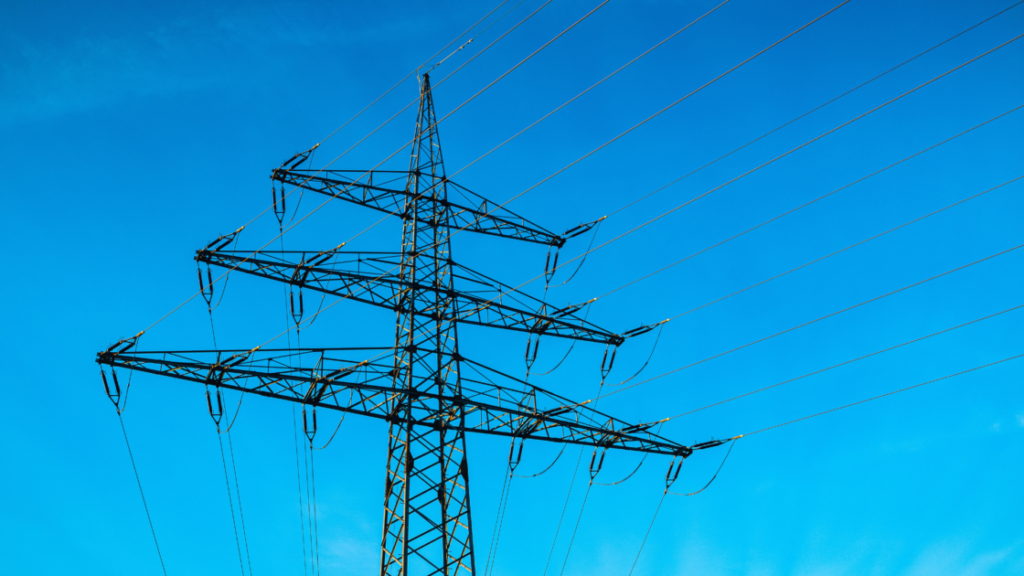
When we talk about the power grid, most of us picture massive steel towers, buzzing transformers, and thousands of miles of heavy high-voltage cables stretching across the countryside. It’s easy to forget that behind all that heavy metal is a complex digital brain.
In 2026, India’s power sector is deeply digital. From power generation plants and regional transmission lines down to your local city distribution hubs, everything relies on connected computer networks, automated sensors, and real-time control software.
Which brings us to a somewhat uncomfortable truth: a cyberattack on India’s energy grid isn’t just an “IT headache”—it’s a potential national blackout.
To safeguard this critical infrastructure, the Ministry of Power established a dedicated cyber shield: CSIRT-Power (Computer Security Incident Response Team–Power). Operating directly under the Central Electricity Authority (CEA), this specialized task force exists to keep the lights on when threat actors try to breach the grid.
Here is a plain-English, human look at what CSIRT-Power actually does, why grid cybersecurity is changing, and how energy companies must adapt.
The Hard Rules: Timelines & Total Isolation
Under the official CEA regulations, any power entity with an installed capacity of 50 MW or more (including solar, wind, and battery storage) must follow strict statutory deadlines:
                  REPORTING TIMELINES                  AUDIT REMEDIATION
         ┌───────────────────────────┬───────────────────────────┐
         │                           │                           │
   FAST  │    6-HOUR INCIDENT RULE   │      1-MONTH PATCHING     │
 ACTIONS │   All standard cyber      │   Critical & high-risk    │
         │   incidents must be sent  │   audit flaws must be     │
         │   to CSIRT-Power & CERT-In│   fixed within 30 days.   │
         │                           │                           │
         ├───────────────────────────┼───────────────────────────┤
         │                           │                           │
 MAJOR   │    24-HOUR SABOTAGE RULE  │      3-MONTH PATCHING     │
 CRISES  │   Confirmed sabotage on   │   Medium & low-risk       │
         │   critical assets must be │   flaws must be fully     │
         │   reported within 1 day.  │   patched within 90 days. │
         │                           │                           │
         └───────────────────────────┴───────────────────────────┘
Critical Operational Rules:
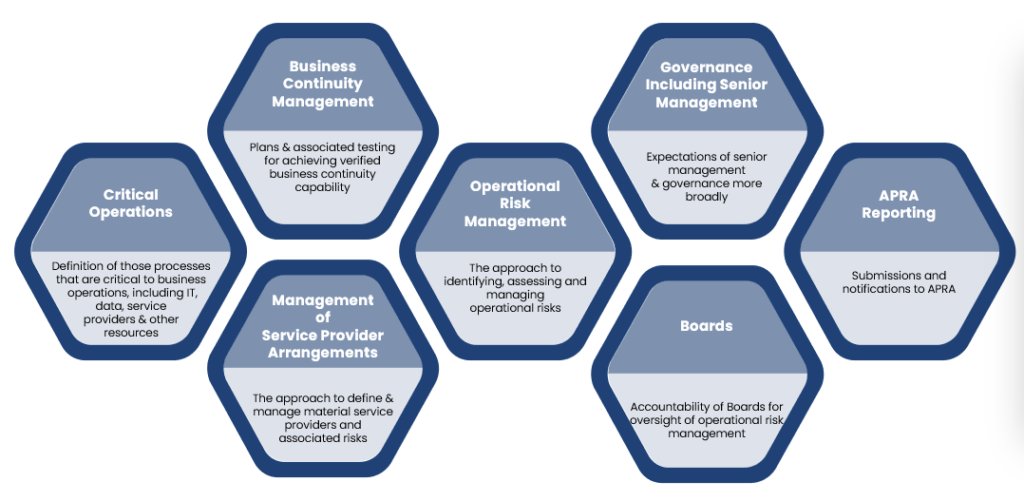
Key areas of operational risk management.
- Strict IT/OT Segregation: Plant controls (OT) can no longer talk to office computers (IT) or the internet. Data moving between them must pass through one-way security hardware known as unidirectional data diodes.
- Data Residency: Sensitive operational logs, system blueprints, and historical grid data must be stored on encrypted servers physically located within India.
- Mandatory 24×7 Security Divisions: Power utilities must establish dedicated 24×7 Information Security Divisions (ISD) led by a senior Chief Information Security Officer (CISO).
- Auditor Rotation: To prevent easy sign-offs, auditing agencies cannot inspect the same power company for more than two consecutive years.
Quick Breakdown: Why Grid Security Hits Different
Securing a power grid is fundamentally different from securing a standard corporate office network. If an attacker hacks a company email server, it’s annoying. If they hack an operational sub-station, the power goes out for millions.
| Traditional Corporate IT Security | Power Grid Operational Technology (OT) Security |
| Main Goal: Data confidentiality and privacy | Main Goal: Uninterrupted physical safety and system stability |
| Primary Risk: Stolen customer data or leaked emails | Primary Risk: Equipment damage, citywide power outages, grid collapse |
| Devices: Laptops, cloud servers, smartphones, printers | Devices: Turbines, smart meters, PLCs, industrial control systems |
| Fixes: Software patches applied seamlessly overnight | Fixes: Updates require careful planning—you can’t just reboot a power plant |
| Main Defense Lead: General IT Department | Main Defense Lead: Specialized OT teams coordinating with CSIRT-Power |
What Is CSIRT-Power, Really?

Think of CSIRT-Power as the digital emergency response squad specifically assigned to India’s energy sector.
Formed directly by the Ministry of Power at the CEA, CSIRT-Power doesn’t replace national bodies like CERT-In or NCIIPC. Instead, it acts as a sector-specific layer of defense that intimately understands how power utilities operate.
┌─────────────────────────────────────────────────────────────────────────┐
│ INDIA'S POWER CYBERSECURITY COORDINATION                                │
│                                                                         │
│         [ National Level: CERT-In / NCIIPC ]                            │
│                            │                                            │
│                            ▼                                            │
│         [ Sector Level: CSIRT-Power (CEA) ]                             │
│                            │                                            │
│           ┌────────────────┴────────────────┐                           │
│           ▼                                 ▼                           │
│  [ Generation Plants ]             [ Transmission & Distribution ]     │
└─────────────────────────────────────────────────────────────────────────┘
Its main job comes down to four critical mandates:
- Rapid Incident Coordination: When a power utility detects a threat, CSIRT-Power helps contain the damage and coordinates national response efforts.
- Sector Threat Intelligence: If a new vulnerability targets industrial control systems, CSIRT-Power blasts out warnings to all energy operators so they can patch their systems before bad actors strike.
- Forensic & Technical Support: Offering deep technical analysis to figure out how an attacker got in and how to keep them out for good.
- Enforcing Readiness: Running cyber drills, auditing readiness, and making sure power companies aren’t just treating security as a once-a-year paperwork exercise.
6 Steps Power Utilities Must Take to Stay Secure
It’s easy for utility executives to look at cybersecurity regulations as mere “compliance checklists.” But filling out forms won’t stop a hacker. Real security requires hands-on, everyday habits across these key areas:
                  FOUNDATIONAL                   ADVANCED
         ┌───────────────────────────┬───────────────────────────┐
         │                           │                           │
  INSIDE │     1. ASSET INVENTORY    │     2. LOG MONITORING     │
  THE    │   Know every device and   │   Keep active 24/7 records│
  GRID   │   IP address connected    │   to spot weird activity  │
         │   to your OT network.     │   before it escalates.    │
         │                           │                           │
         ├───────────────────────────┼───────────────────────────┤
         │                           │                           │
  OUTWARD│     3. HUMAN DRILLS       │    4. INCIDENT PLAYBOOK   │
  FACING │   Train workers to spot   │   Know exactly who calls  │
         │   phishing; human error   │   CSIRT-Power when a      │
         │   remains the #1 risk.    │   breach is detected.     │
         │                           │                           │
         └───────────────────────────┴───────────────────────────┘
- Maintain a Dead-Accurate Asset Inventory: You can’t protect a device if you don’t even know it’s plugged into your network. Utility operators must map every single connected sensor, switch, and controller.
- Lock Down the Human Factor: The most sophisticated firewall in the world can be bypassed if an engineer clicks on a fake email attachment or plugs an untrusted USB drive into a control room terminal. Regular, practical phishing drills are non-negotiable.
- Isolate IT from Operational Tech (OT): Office email networks should never directly talk to the software controlling power flow. Strict network segmentation is vital to prevent an office computer infection from spreading into the grid.
- Test Backups on Offline Systems: Having a backup copy of your system state is useless if you’ve never actually tried restoring it during an emergency. Test recovery procedures frequently off the live grid.
- Act on Alerts Immediately: When CSIRT-Power or CERT-In issues an urgent threat advisory, power operators need to apply recommended fixes or workarounds straight away—not weeks later.
- Close Audit Findings on Time: Security audits highlight weaknesses before malicious actors exploit them. Leaving known vulnerability findings unaddressed is essentially leaving your front door unlocked.
The Human Reality of Grid Protection
At the end of the day, technology alone won’t defend India’s power grid. The true key to cybersecurity resilience lies in the speed of communication and human preparation.
When a strange anomaly occurs on a power company’s network, the first few hours determine whether the problem stays a minor glitch or turns into a nationwide crisis. Having a clear, well-rehearsed plan—where engineers, IT staff, and management know instantly who to isolate, what data to log, and how to notify CSIRT-Power—saves crucial time when every minute counts.
As India continues expanding its smart grid infrastructure, integrating more renewable energy sources, and connecting millions of new devices, cybersecurity will remain just as critical as the physical infrastructure keeping electricity flowing into our homes.

Best Software 2026: Top Tools for Work, Business & Productivity
Software has become an essential part of modern life, helping people work faster, manage businesses,…

Smart Home Technology 2026: Best Devices for a Smarter Home
Smart home technology has become a practical part of everyday life. What once seemed like…

Best Cloud Software for Businesses and Teams in 2026
Think about how much of your work happens online today. Files are shared through links,…
Best Online Privacy & Security Tools in 2026: Top Picks
Let’s be honest about what taking back your digital privacy actually feels like. You read…

Semiconductor Technology Trends 2026: The Future of Chip Innovation
If you are reading this on a phone, a laptop, or even a tablet mounted…

Online Shopping Trends 2026: Smart Ways to Shop for Tech
Let’s be honest about buying electronics online Shopping right now: the sheer volume of options…