
In today’s digital world, businesses rely heavily on networks to store data, communicate with customers, manage operations, and support daily activities. While technology has improved efficiency and productivity, it has also increased exposure to cyber threats. Cybercriminals are continuously developing sophisticated methods to exploit vulnerabilities, steal sensitive information, and disrupt business operations.
Network security has become a critical priority for organizations of all sizes. A single security breach can result in financial losses, damaged reputation, legal consequences, and loss of customer trust. As businesses continue to adopt cloud computing, remote work, and connected devices, the importance of protecting networks has never been greater.
Effective network security involves a combination of technologies, policies, and best practices designed to safeguard systems and data from unauthorized access and cyber attacks. Businesses that invest in strong security strategies can reduce risks, improve operational stability, and maintain customer confidence.
In 2026, cybersecurity threats are becoming more advanced, making proactive network security measures essential for long-term business success. Understanding the most effective network security strategies can help organizations strengthen their defenses and protect valuable digital assets.
Top Network Security Strategies at a Glance
| Strategy | Purpose | Key Benefit |
|---|---|---|
| Strong Password Policies | Secure user accounts | Reduced unauthorized access |
| Multi-Factor Authentication | Additional verification | Improved account security |
| Network Monitoring | Detect suspicious activity | Faster threat response |
| Firewall Protection | Control network traffic | Enhanced security |
| Employee Training | Improve awareness | Reduced human errors |
| Data Encryption | Protect sensitive data | Better privacy |
| Regular Software Updates | Fix vulnerabilities | Stronger protection |
| Access Control Management | Restrict permissions | Minimized security risks |
| Backup and Recovery Plans | Protect business continuity | Faster recovery |
| Endpoint Security | Secure connected devices | Reduced attack surface |
Strong Password Policies
Passwords remain one of the most important layers of network security. Weak or reused passwords are among the leading causes of security breaches.
Businesses should require employees to create complex passwords that include a combination of letters, numbers, and special characters. Passwords should be updated regularly and never shared between users.
Using password managers can simplify password management while improving overall security.
A strong password policy significantly reduces the risk of unauthorized access to business systems.
Multi-Factor Authentication

Multi-factor authentication adds an extra layer of security beyond traditional passwords.
Users must verify their identity through multiple methods, such as a password combined with a mobile verification code or biometric authentication.
Even if a password is compromised, attackers are less likely to gain access without the second verification factor.
Many organizations now consider multi-factor authentication a standard security requirement.
Continuous Network Monitoring
Cyber threats can occur at any time. Continuous monitoring helps businesses detect unusual activities before they become major security incidents.
Modern monitoring systems analyze network traffic, identify suspicious behavior, and generate alerts when potential threats are detected.
Early detection allows security teams to respond quickly and minimize damage.
Network monitoring provides valuable visibility into system performance and security status.
Firewall Protection
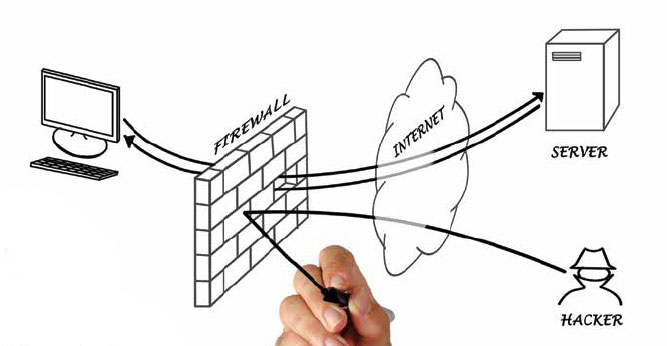
Firewalls serve as a barrier between trusted internal networks and external threats.
They monitor incoming and outgoing traffic and block potentially harmful connections.
Businesses use firewalls to prevent unauthorized access while allowing legitimate communication.
Modern firewalls include advanced capabilities such as threat intelligence, intrusion prevention, and application control.
A properly configured firewall remains one of the most effective network security tools.
Employee Cybersecurity Training

Technology alone cannot prevent every security threat. Human error remains one of the leading causes of cybersecurity incidents.
Employees should receive regular training on recognizing phishing emails, avoiding suspicious links, and following security best practices.
Cybersecurity awareness programs help create a security-focused culture within organizations.
Educated employees are more likely to identify threats and contribute to a safer network environment.
Data Encryption
Data encryption converts information into a secure format that can only be accessed by authorized users.
Businesses should encrypt sensitive information both during transmission and while stored in databases or devices.
Encryption helps protect customer information, financial records, and confidential business data from unauthorized access.
Even if data is intercepted, encryption makes it extremely difficult for attackers to read or misuse the information.
Regular Software Updates and Patch Management

Software vulnerabilities are common targets for cybercriminals.
Developers regularly release updates and security patches to address known weaknesses. Businesses that fail to install updates may leave systems exposed to attacks.
A structured patch management process helps ensure that software remains secure and up to date.
Regular updates are one of the simplest and most effective ways to improve network security.
Access Control Management
Not every employee requires access to every system or piece of information.
Access control policies limit permissions based on job responsibilities and business needs.
This principle, often referred to as least privilege access, reduces the risk of accidental or intentional misuse of sensitive data.
Proper access management improves accountability and strengthens overall security.
Backup and Disaster Recovery Planning
No security system can guarantee complete protection against every threat.
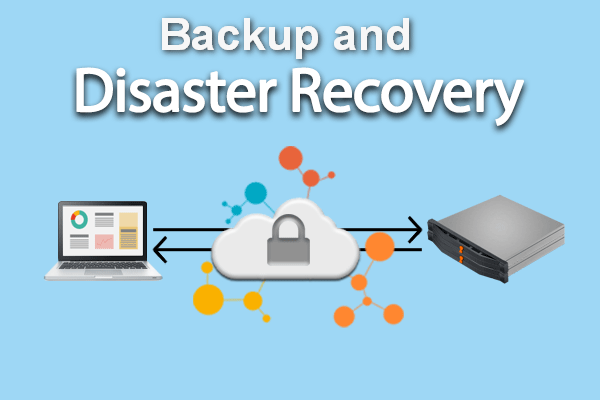
Businesses should maintain regular backups of critical data and develop recovery plans for potential incidents.
Backup systems allow organizations to restore operations quickly following cyber attacks, hardware failures, or natural disasters.
A strong recovery strategy minimizes downtime and supports business continuity.
Endpoint Security Solutions
Modern businesses rely on laptops, smartphones, tablets, and other connected devices.
Each device represents a potential entry point for attackers.
Endpoint security solutions provide protection against malware, ransomware, and other threats targeting individual devices.
These tools help maintain security across distributed work environments and remote teams.
As hybrid work continues to grow, endpoint security is becoming increasingly important.
Pros and Cons of Network Security Strategies
| Pros | Cons |
|---|---|
| Protects sensitive business data | Implementation costs |
| Reduces cyber attack risks | Requires ongoing maintenance |
| Improves customer trust | Employee training needed |
| Supports business continuity | Can be complex to manage |
| Helps meet compliance requirements | Advanced tools may be expensive |
| Prevents unauthorized access | Requires continuous monitoring |
| Reduces financial losses | Security updates require resources |
| Enhances operational stability | Some measures may affect convenience |
Emerging Network Security Trends in 2026
Network security continues to evolve as cyber threats become more sophisticated.
Artificial intelligence is increasingly being used to detect threats and automate responses. Zero-trust security models are gaining popularity because they verify every user and device before granting access.
Cloud security solutions are becoming more advanced as businesses move critical operations online.
Organizations are also investing in cybersecurity automation to improve efficiency and reduce response times.
These innovations are helping businesses strengthen defenses and adapt to changing threat landscapes.
Why Every Business Needs a Strong Security Strategy

Cybersecurity is no longer a concern only for large corporations. Small and medium-sized businesses are increasingly targeted because attackers often perceive them as easier targets.
A comprehensive network security strategy helps businesses protect customer information, intellectual property, financial assets, and operational systems.
Strong security measures also demonstrate commitment to privacy and data protection, which can enhance brand reputation and customer loyalty.
Investing in network security is an investment in long-term business resilience and success.
Conclusion
Network security is a fundamental component of modern business operations. As cyber threats continue to evolve, organizations must adopt proactive strategies to protect their systems and data.
Faqs

Best Software 2026: Top Tools for Work, Business & Productivity
Software has become an essential part of modern life, helping people work faster, manage businesses,…

Smart Home Technology 2026: Best Devices for a Smarter Home
Smart home technology has become a practical part of everyday life. What once seemed like…

Best Cloud Software for Businesses and Teams in 2026
Think about how much of your work happens online today. Files are shared through links,…
Best Online Privacy & Security Tools in 2026: Top Picks
Let’s be honest about what taking back your digital privacy actually feels like. You read…

Semiconductor Technology Trends 2026: The Future of Chip Innovation
If you are reading this on a phone, a laptop, or even a tablet mounted…

Online Shopping Trends 2026: Smart Ways to Shop for Tech
Let’s be honest about buying electronics online Shopping right now: the sheer volume of options…