Cybersecurity has become one of the most important aspects of modern life. As technology continues to evolve, cybercriminals are finding new ways to exploit vulnerabilities, steal personal information, and disrupt businesses. From artificial intelligence to cloud computing, every innovation brings new opportunities as well as new security challenges. Whether you’re an individual protecting your personal data or a business safeguarding customer information, staying informed about the latest cybersecurity trends is essential.
In 2026, cybersecurity is no longer just an IT responsibility. It has become a shared responsibility for employees, organizations, and everyday internet users. Understanding the biggest trends can help you stay one step ahead of cyber threats while protecting your digital identity.
Artificial Intelligence Is Changing Cybersecurity
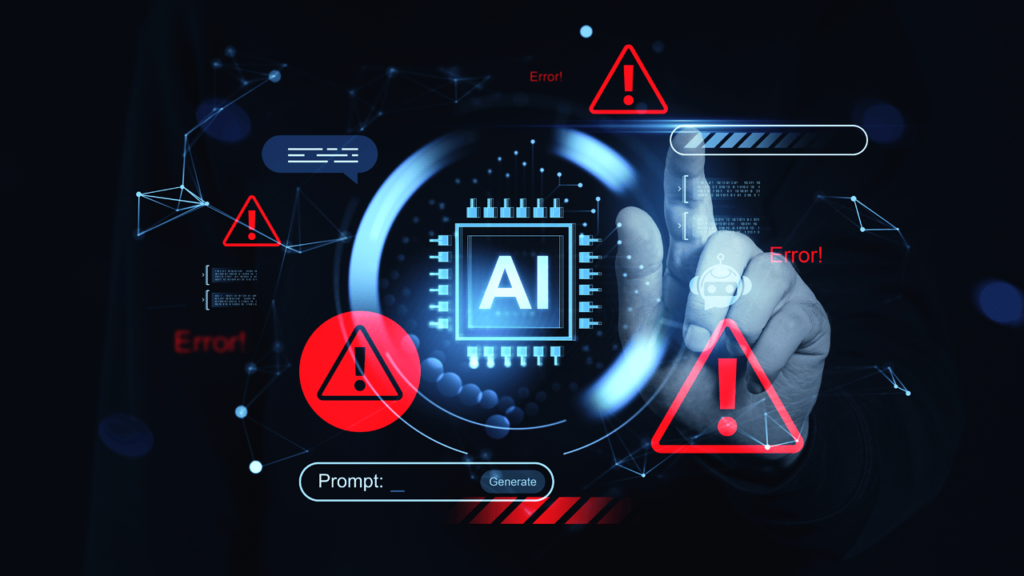
Artificial intelligence has become one of the most powerful tools in cybersecurity. Security teams now use AI to detect suspicious activity, analyze massive amounts of data, and identify threats before they cause damage. AI-powered systems can monitor networks around the clock and respond to attacks much faster than traditional methods.
However, cybercriminals are also using AI to create more convincing phishing emails, automate attacks, and discover software vulnerabilities. This ongoing battle between defensive AI and malicious AI is shaping the future of cybersecurity.
Zero Trust Security Is Becoming the Standard
Traditional security models assumed that users inside an organization’s network could be trusted. That approach is quickly disappearing.
The Zero Trust model follows one simple principle: never trust, always verify. Every user, device, and application must continuously prove its identity before gaining access to sensitive systems.
Businesses are increasingly adopting Zero Trust because employees work remotely, use multiple devices, and access company resources from different locations. This approach significantly reduces the risk of unauthorized access.
Cloud Security Continues to Grow
More businesses are moving their applications and data to the cloud than ever before. While cloud services offer flexibility and cost savings, they also create new security risks if not properly managed.
Organizations are investing heavily in cloud security solutions that provide encryption, identity management, access control, and continuous monitoring. Proper cloud security ensures that sensitive information remains protected regardless of where it is stored.
Multi-Factor Authentication Is No Longer Optional
Passwords alone are no longer enough to protect online accounts. Weak passwords remain one of the leading causes of security breaches.
Multi-factor authentication adds an extra layer of protection by requiring users to verify their identity through a second method, such as a mobile app, fingerprint, or one-time verification code.
Using MFA dramatically reduces the chances of hackers gaining unauthorized access, even if passwords are compromised.
Ransomware Attacks Are Becoming More Sophisticated
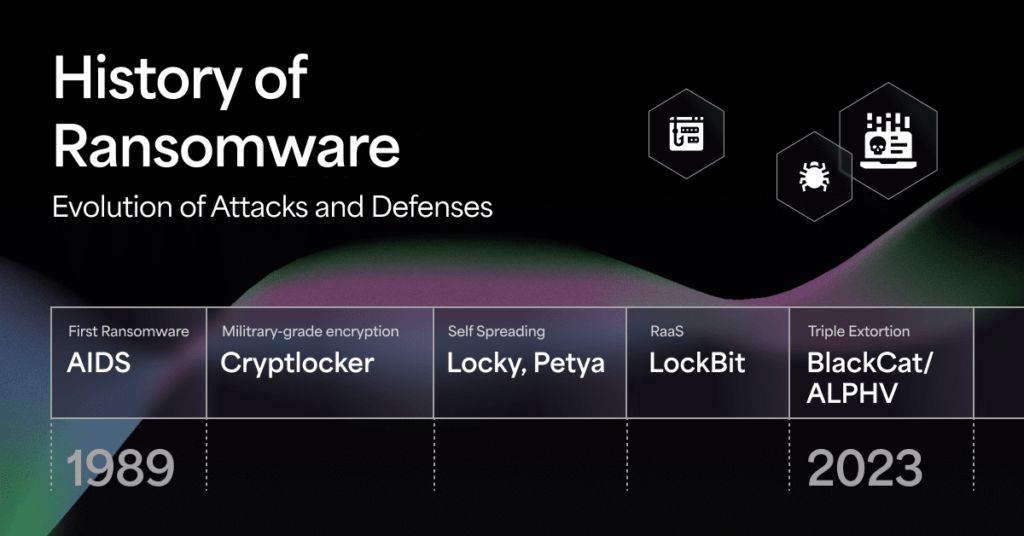
Ransomware continues to be one of the biggest cybersecurity threats in 2026. Instead of targeting only large corporations, attackers are increasingly focusing on small businesses, healthcare organizations, schools, and government agencies.
Modern ransomware attacks often involve stealing sensitive data before encrypting files. Victims are then threatened with public data leaks if they refuse to pay the ransom.
Regular backups, employee training, and advanced endpoint protection remain the most effective defenses.
Cybersecurity Awareness Training Is More Important Than Ever
Technology alone cannot stop cyberattacks. Human error remains one of the biggest security vulnerabilities.
Many successful cyberattacks begin with employees clicking malicious links, downloading infected files, or sharing sensitive information with attackers pretending to be trusted contacts.
Organizations are investing in regular cybersecurity awareness training to help employees recognize phishing attempts, create stronger passwords, and report suspicious activities before they become major incidents.
Internet of Things Devices Need Better Protection
Smart homes and connected workplaces continue to grow rapidly. Devices such as security cameras, smart TVs, printers, wearables, and industrial sensors all connect to the internet.
Unfortunately, many of these devices have weak security settings that make them attractive targets for hackers.
Manufacturers are improving device security, but users should also update firmware regularly, change default passwords, and secure their home networks.
Privacy Regulations Continue to Expand
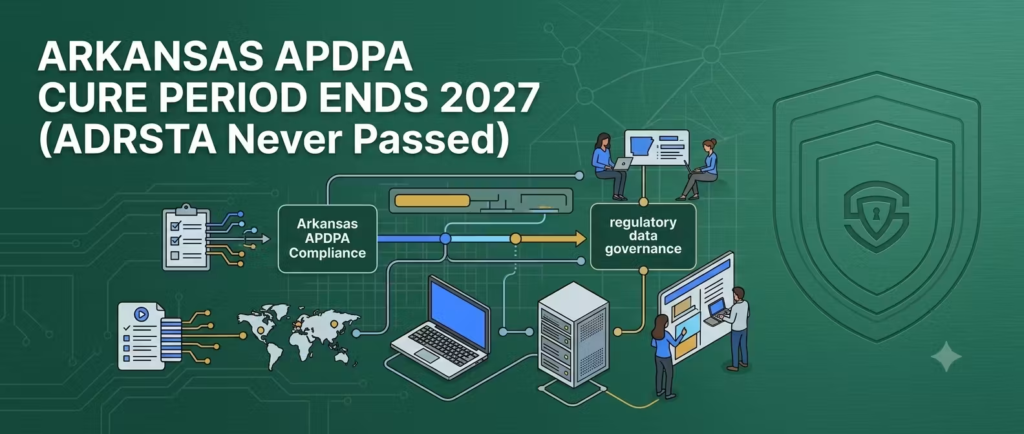
Governments around the world are introducing stronger data privacy regulations. Businesses must now collect, store, and process customer information more responsibly than ever before.
Organizations that fail to protect customer data face legal penalties, financial losses, and damage to their reputation.
Building privacy into every stage of software development has become an important business strategy rather than simply meeting legal requirements.
Passwordless Authentication Is Gaining Popularity
Technology companies are gradually replacing passwords with more secure authentication methods.
Biometric verification, facial recognition, fingerprint scanning, security keys, and passkeys provide stronger protection while making the login experience easier for users.
Passwordless authentication reduces the risks associated with password theft, phishing attacks, and credential reuse.
Supply Chain Security Is Receiving More Attention
Modern businesses rely on numerous software providers and third-party vendors. Unfortunately, attackers increasingly target suppliers as an indirect way to reach larger organizations.
Companies are now carefully evaluating the cybersecurity practices of every vendor before granting access to their systems.
Supply chain security has become an essential part of overall risk management.
Key Cybersecurity Trends in 2026
| Cybersecurity Trend | Why It Matters |
|---|---|
| Artificial Intelligence | Detects threats faster while attackers also use AI for advanced attacks. |
| Zero Trust Security | Continuously verifies every user and device before granting access. |
| Cloud Security | Protects data stored across cloud platforms and remote environments. |
| Multi-Factor Authentication | Adds an extra layer of security beyond passwords. |
| Ransomware Protection | Prevents data encryption and financial losses from cyberattacks. |
| Cybersecurity Awareness | Reduces risks caused by human error and phishing attacks. |
| Passwordless Authentication | Improves security while making logins easier. |
| Supply Chain Security | Protects organizations from third-party vulnerabilities. |
Why Small Businesses Must Prioritize Cybersecurity
Many small businesses mistakenly believe cybercriminals only target large corporations. In reality, smaller organizations are often easier targets because they have limited security resources.
A single cyberattack can lead to financial losses, operational downtime, legal issues, and loss of customer trust. Investing in strong passwords, regular software updates, secure backups, employee education, and endpoint protection can significantly reduce these risks.
Cybersecurity should be viewed as an investment rather than an expense.
Practical Tips to Stay Safe Online
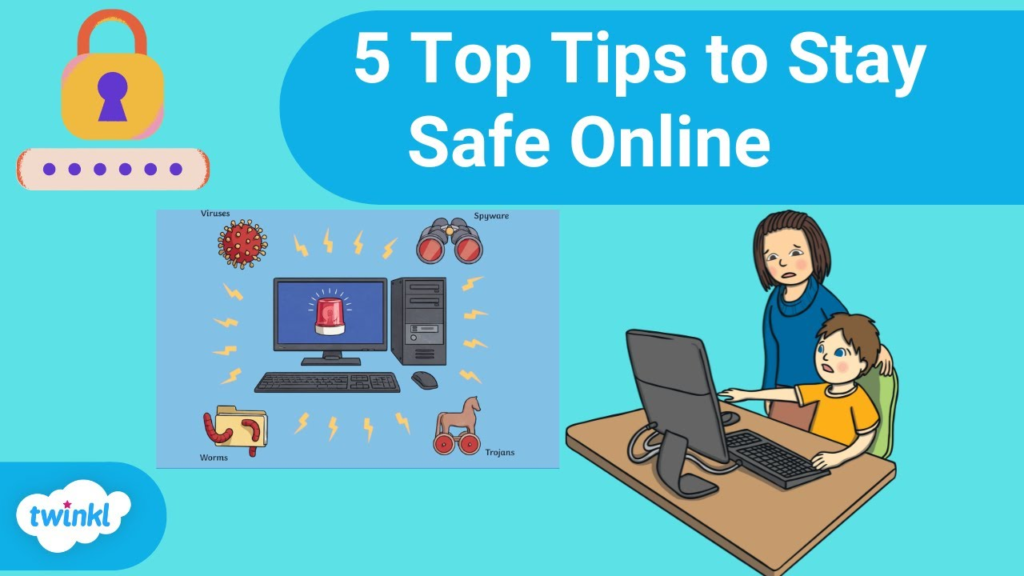
Keeping your digital life secure doesn’t always require expensive tools. Simple habits can make a significant difference.
Use unique passwords for every account and store them in a trusted password manager. Enable multi-factor authentication whenever possible. Update software regularly to patch security vulnerabilities. Avoid clicking suspicious email links or downloading files from unknown sources. Back up important files frequently and use reputable antivirus software.
Staying alert and following basic security practices can prevent many common cyber threats.