
Cybersecurity has officially broken out of the IT basement and entered the corporate boardroom as a non-negotiable strategic priority. As organizations embrace digital transformations—anchored by distributed cloud computing, hybrid work models, and integrated artificial intelligence—our collective attack surface has expanded exponentially. Today, from the leanest startup to a multinational enterprise, businesses depend entirely on digital systems to communicate, manage data, and process transactions. This systemic reliance makes investing in a proactive, modern defense architecture more critical than it has ever been. In 2026, cybercriminals are no longer relying on clumsy, easily detectable scripts. They are aggressively leveraging specialized artificial intelligence models to design hyper-realistic phishing schemes, discover zero-day vulnerabilities instantly, and execute stealthy ransomware attacks. Defending your enterprise requires moving past legacy digital walls toward building a resilient, intelligent digital immune system.
Why Modern Businesses Need a Layered Defense
Every modern business sits on top of valuable data, including customer banking details, proprietary trade secrets, internal employee documentation, and strategic operational plans. A single successful compromise does not just result in direct financial loss or regulatory penalties; it triggers catastrophic operational downtime and a devastating collapse of hard-earned client trust. To mitigate these risks, forward-thinking organizations avoid relying on single, isolated security applications. Instead, they implement a Defense-in-Depth model. By layering independent tools across networks, devices, applications, and cloud environments, you ensure that if one layer fails, subsequent barriers instantly catch and contain the threat.
Intelligent Antivirus and Next-Gen Anti-Malware
The foundational baseline of device defense still relies on anti-malware, but the underlying mechanics have fundamentally evolved. Legacy systems relied strictly on static signature matching, which meant they could only catch threats that had already been cataloged in a public database. Modern Next-Generation Antivirus utilizes sophisticated behavioral heuristics and machine learning models to analyze the real-time execution patterns of files. If an active script begins quietly attempting to modify registry configurations or systematically copy localized directories, the software flags the anomaly instantly. It halts the execution and isolates the file before it can propagate across your local network, protecting you from completely new, undocumented variants.
Advanced Firewall Architectures
Firewalls remain the indispensable gatekeepers of the network perimeter, acting as an active filter between trusted internal business assets and the public internet. The baseline firewalls of 2026 are deep-packet inspection engines that possess granular, application-level visibility. This allows network teams to monitor exactly what data is leaving the ecosystem, block unauthorized data transfers, and intercept incoming structural exploits before they hit internal servers. These platforms function as intelligent filters, constantly scanning traffic signatures for complex malicious patterns while maintaining an efficient, low-friction environment for legitimate business data.
Securing the Distributed Endpoint Landscape
The traditional concept of a safe corporate office network has largely vanished. Employees routinely access sensitive databases from personal laptops, smartphones, and remote access points scattered globally, meaning every connected machine serves as a potential gateway for an intruder. Endpoint Detection and Response platforms actively monitor every single device attached to your network. These systems continuously assess device health, enforce strict security configurations, and automatically isolate compromised laptops from the broader network the moment anomalous behavior is detected. Through a centralized dashboard, IT teams maintain absolute visibility over thousands of global assets.
Cloud Security Platforms and Data Sovereignty
As companies migrate their primary operational frameworks to public and hybrid cloud environments, ensuring the integrity of data outside traditional server rooms is paramount. Cloud Security Posture Management and Cloud Access Security Brokers ensure that cloud resources remain protected through continuous access controls, cryptographic data encryption, and automatic configuration drift correction. These platforms constantly scan massive cloud ecosystems to spot accidental permissions misconfigurations—such as an open cloud storage bucket containing private client data—and remediate the vulnerability instantly before it can be discovered by external web scanners.
Eradicating the Weakest Link with Password Infrastructure
Securing your network and hardware means very little if attackers can walk right through the front door using stolen or hijacked user credentials. Weak, recycled, or exposed credentials remain a leading root cause of high-profile enterprise security breaches. Modern corporate password management platforms solve this systemic human vulnerability by removing the burden of credential creation and memorization from your employees entirely. These platforms generate incredibly complex, unique cryptographic strings for every individual application, storing them inside a heavily encrypted, centralized digital vault. Employees only need to remember one secure master key, simultaneously increasing daily workflow efficiency and eliminating the security risks associated with physical notes or repetitive, easily guessed passwords.
The Non-Negotiable Necessity of Multi-Factor Authentication
Passwords alone are no longer adequate protection against dedicated threats. Multi-Factor Authentication—specifically shifting toward phishing-resistant methods like passkeys, cryptographic security keys, and device-level hardware verification—adds an indispensable layer of identity assurance. Even if an employee unknowingly surrenders their password to a highly convincing phishing page, the attacker cannot breach the company database because they cannot replicate the physical biometric check or the hardware token. Implementing phishing-resistant authentication is one of the highest-return security updates an organization can make, immediately neutralizing the vast majority of automated credential stuffing and account takeover campaigns.
Defending the Front Lines of Corporate Email
Email remains the primary vector for corporate security compromises, serving as the delivery mechanism for deceptive social engineering, business email compromise, and ransomware payloads. Modern email defense tools employ natural language processing and contextual analysis to read incoming messages much like a security expert would. These systems look far beyond basic spam keywords; they analyze communication patterns, tone anomalies, and structural discrepancies. If a message claims to be from the CEO requesting an urgent wire transfer but exhibits formatting patterns that match a known phishing blueprint, the platform steps in to block it before it ever reaches the employee’s inbox.
Pervasive Data Encryption Standards
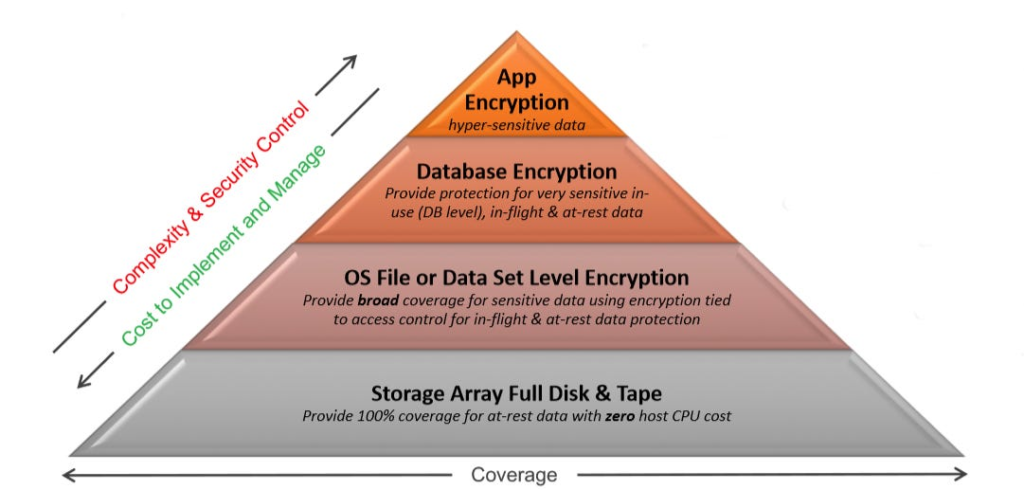
Data encryption serves as the final, absolute guarantee of asset security. It ensures that even if a highly sophisticated attack manages to bypass all of your exterior perimeters and extract raw corporate files, the stolen data remains completely unreadable and useless to the intruders. Organizations must maintain strict encryption protocols across all states of data, which means encrypting assets at rest inside hard drives and databases, as well as encrypting data in transit as it travels across external public networks. For highly sensitive operations dealing with financial transactions, medical records, or proprietary algorithmic code, robust cryptographic management ensures regulatory compliance while stripping cybercriminals of the leverage they need to execute corporate extortion or public data leaks.
Continuous Security Monitoring and Threat Hunting
Modern corporate defense operates on the assumption of breach, shifting the focus from passive containment to continuous, active threat hunting. Security Information and Event Management platforms, alongside Extended Detection and Response frameworks, aggregate millions of independent data points from every corner of your company infrastructure into a single interface. By automatically connecting isolated, seemingly minor events—like a strange login attempt from an unusual location paired with a sudden edit to database read permissions—these systems flag hidden, slow-moving attacks, giving security teams the visibility needed to neutralize threats before they turn into full-scale crises.
The Strategic Role of AI in Enterprise Defense
Artificial intelligence has become the underlying core that drives the speed, accuracy, and scalability of modern enterprise cybersecurity suites. AI models process massive amounts of global network traffic data in milliseconds, identifying micro-anomalies and emerging zero-day threat patterns that a human analyst could easily overlook during a manual review. Rather than replacing human oversight, AI frees up security professionals by automating routine tasks like log sorting, alert triaging, and minor patch updates, allowing your internal IT teams to focus entirely on high-level strategic planning, vulnerability testing, and incident response preparation.
Mitigating the Human Element Through Continuous Training
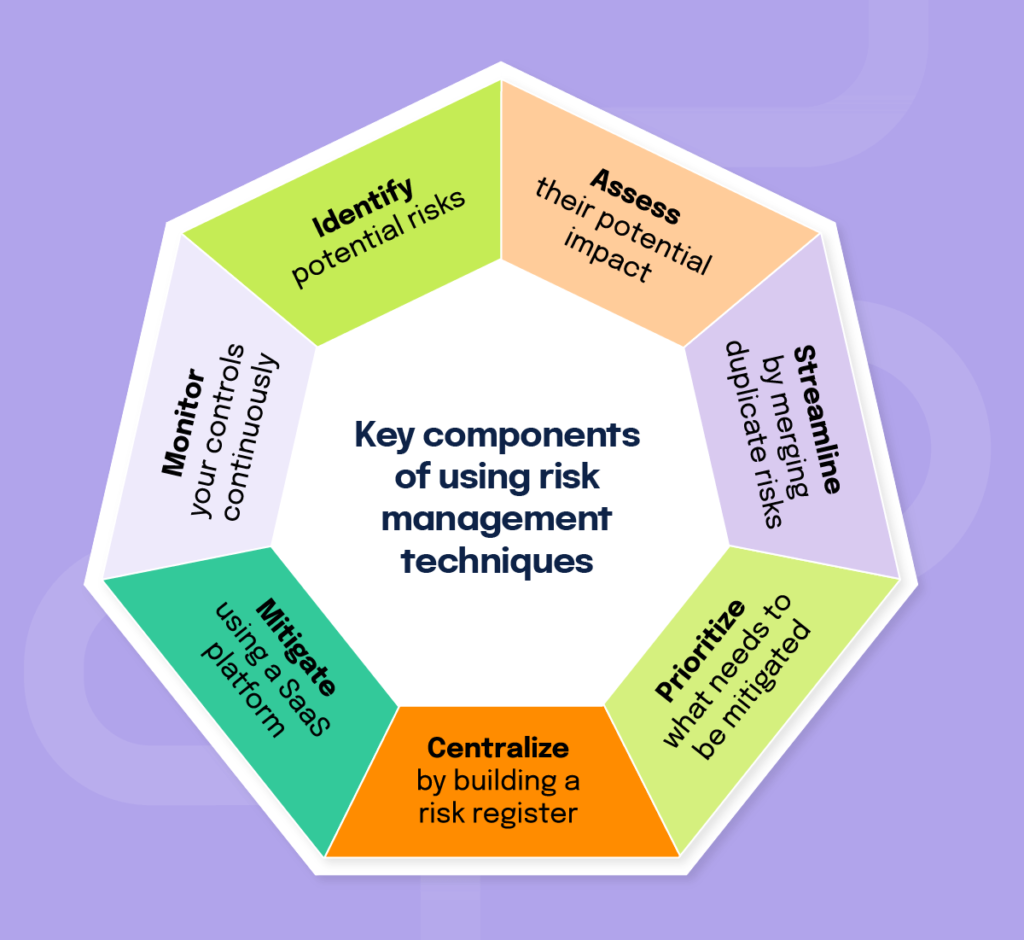
Technology alone, no matter how advanced, can never completely secure a business if the employees using those systems remain unaware of basic digital hygiene and modern social engineering tactics. Human error, accidental link clicks, and social manipulation continue to serve as the catalyst for some of the largest data breaches in recent corporate history. Implementing regular, low-friction security awareness training that simulates realistic, modern phishing attempts helps your workforce build the critical intuition needed to spot danger. By transforming your team from a vulnerable operational risk into an active, alert human firewall, you create an internal culture that values security and flags anomalies naturally.
Choosing and Scaling Your Corporate Stack
Building a highly functional, resilient security posture requires a calculated, strategic analysis of your specific operational vulnerabilities, industry regulations, and long-term business trajectory. Avoid the common mistake of buying separate, flashy security tools that cannot communicate with each other, as a disjointed security environment creates dangerous operational blind spots and complicates daily administration. Instead, look for flexible, open platforms that integrate seamlessly with your existing cloud architectures, project management platforms, and communication hubs. Your security stack must be built to scale smoothly alongside your business, protecting new employees, expanded device networks, and newly acquired data storage systems without requiring a costly teardown of your digital foundation.
Critical Mistakes Homeowners and Businesses Should Avoid
Many organizations mistakenly believe that installing a reliable antivirus program means their defense is complete. True resilience requires balancing software tools with strict human operational habits. Ignoring software updates is another incredibly dangerous mistake. Security patches fix newly discovered software vulnerabilities that cybercriminals actively attempt to exploit. Keeping operating systems, local applications, and security tools updated automatically is one of the simplest yet most effective ways to improve your company’s overall protection.
Final Thoughts on Enterprise Resilience

Ultimately, building a highly functional cybersecurity strategy in 2026 is about protecting the operational continuity, hard-earned client trust, and long-term financial health of your company. Investing in purpose-built security assets is not a passive IT expense; it is a critical strategic foundation that allows your business to innovate, expand into new markets, and serve clients globally with complete confidence. By prioritizing integrated, scalable cybersecurity tools today, your business builds a resilient foundation capable of safeguarding sensitive data, maintaining client trust, and ensuring long-term operational growth in an increasingly connected world.