
Remember when health monitoring meant stepping on a bathroom scale or waiting for your annual doctor’s appointment? If you felt fine, you assumed you were fine.
Today, that passive approach to wellness feels incredibly outdated. We are living in an era where clinical-grade medical technology has shrunk down to fit on our wrists, fingers, and even inside our clothing. Health monitoring devices are no longer just glorified step counters for fitness enthusiasts. They have evolved into sophisticated, 24/7 proactive diagnostic labs that predict illnesses before you feel a single symptom, optimize your daily energy levels, and fundamentally extend your lifespan.
Navigating this rapidly advancing landscape can feel overwhelming. With so many sensors tracking an endless stream of biometric data, how do you separate genuine, life-saving innovation from overhyped tech toys?
The Big Shift: From Reactive Medicine to Proactive Wellness

For generations, modern healthcare has been fundamentally reactive. We typically wait until something breaks—a sudden chest pain, chronic fatigue, or a spiking fever—before seeking medical attention.
The latest generation of health monitors flips this paradigm entirely. By continuously tracking subtle physiological shifts that are completely invisible to the human eye, these devices act as an early warning system for your body.
[Traditional Reactive Model]
Feel Sick ──► See Doctor ──► Get Treatment (Often Late)
[Modern Proactive Model]
Continuous Biometric Tracking ──► AI Detects Subtle Shifts ──► Micro-Adjustments (Prevent Disease)
The true value of modern tracking lies in trend analysis. A single heart rate reading or one night of bad sleep doesn’t tell you much. However, when an algorithm analyzes weeks of continuous data, it establishes your personal physiological baseline. When your data suddenly deviates from that baseline, the device can warn you of impending sickness, extreme physical burnout, or hidden cardiovascular stress long before you actually feel it.
Smart Rings: The Rise of Discrete, Screen-Free Tracking
One of the most significant consumer shifts in recent times is the massive move toward screen-free, minimalist wearables. Many people are suffering from digital screen fatigue and do not want another glass display buzzed by constant smartphone notifications. This demand has made smart rings the breakout stars of the wellness industry.
The Power of Finger-Based Sensing
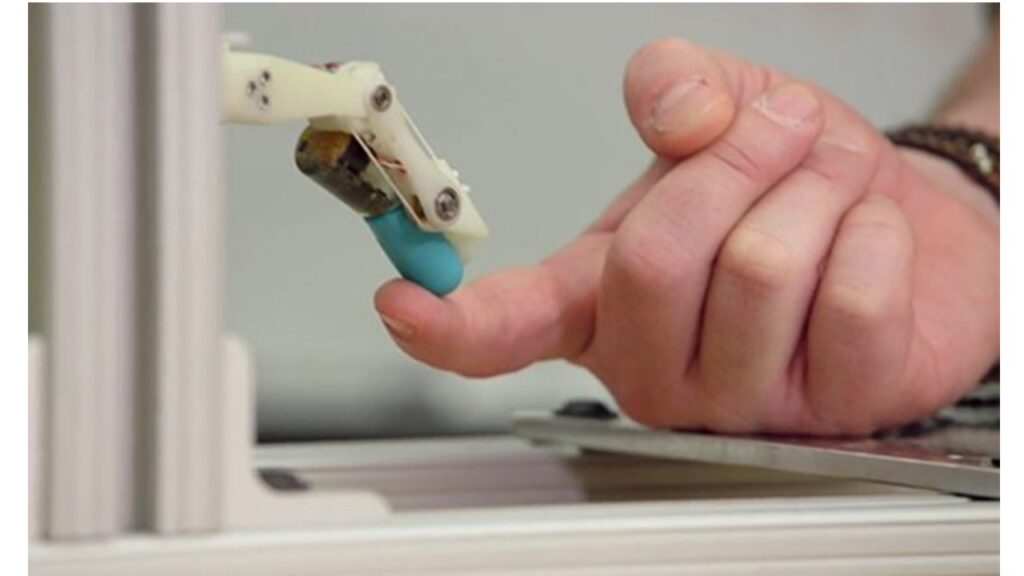
From a purely scientific standpoint, tracking biometrics from your finger is inherently superior to tracking them from your wrist. The blood vessels in your fingers are much closer to the surface of the skin, providing a significantly cleaner, stronger optical signal with far less movement interference.
Spotlight: Oura Ring 4 & 5
The Oura Ring 4 (and its ultra-thin successor, the Oura Ring 5) has completely captured the market by focusing heavily on passive recovery, sleep architecture, and stress management.
Instead of showing real-time workout stats, the companion app synthesizes your data into three intuitive pillars every morning: Sleep, Activity, and Readiness.
[Resting Heart Rate] + [Heart Rate Variability] + [Skin Temperature Trends]
│
▼
[Daily Readiness Score]
(Tells you exactly how hard to push)
Beyond basic metrics, the latest Oura platform features include advanced Daytime Stress tracking, Cardiovascular Age estimates, and even nocturnal Blood Pressure monitoring. For people who want to monitor their health quietly in the background without a distracting glowing screen on their wrist, smart rings offer an elegant, compromise-free solution.
Pros and Cons of Health Monitoring Devices
| Pros | Cons |
| Helps users stay aware of their health | Some devices can be expensive |
| Encourages healthier lifestyle habits | Accuracy may vary between devices |
| Provides real-time health insights | Requires regular charging and maintenance |
| Supports fitness and wellness goals | Too much data may feel overwhelming |
| Helps track long-term health progress | Some advanced features require paid apps |
Advanced Smartwatches: Clinical Powerhouses on Your Wrist
While smart rings dominate passive recovery, premium smartwatches remain the ultimate tool for active health management, real-time fitness tracking, and emergency medical safety.
FDA-Approved Diagnostics
We have moved far beyond simple pulse tracking. Flagship devices like the Apple Watch Series 11, the Samsung Galaxy Watch 8, and high-end Garmin units are packed with legitimate, FDA-approved medical sensors capable of performing tasks that used to require a trip to a clinic.
- Electrocardiograms (ECG): By touching the watch bezel or crown, you can generate a medical-grade ECG strip in 30 seconds to detect Atrial Fibrillation (AFib)—an irregular heart rhythm that is a leading cause of strokes.
- Hypertension Notifications: Advanced optical sensors can now passively monitor your blood pressure trends throughout the day, alerting you to sustained spikes that could indicate underlying hypertension.
- Sleep Apnea Detection: By combining blood oxygen (SpO2) sensors with breathing disturbance algorithms, these watches can flag potential sleep apnea, a dangerous condition where you repeatedly stop breathing during the night.
The Metrics That Actually Matter: Decoupling the Data
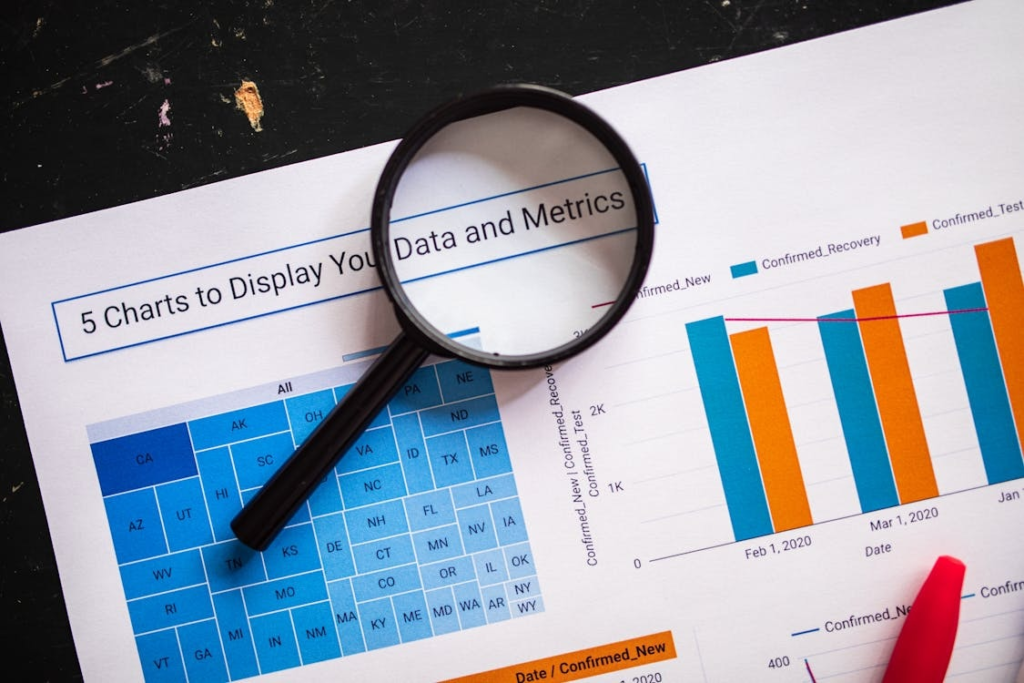
When you open a modern health app, you are bombarded with charts, graphs, and numbers. To avoid data paralysis, you need to know which specific metrics genuinely reflect your internal health.
Heart Rate Variability (HRV)
If you only track one metric, make it HRV. Heart Rate Variability measures the specific time variation between consecutive heartbeats, calculated in milliseconds (ms).
Contrary to popular belief, a healthy heart does not beat at a perfectly rigid, metronomic rhythm. If your pulse is 60 beats per minute, it might beat at 0.9 seconds, then 1.1 seconds, then 1.0 seconds.
HRV=Variation in time between consecutive heartbeats (ms)
This micro-variation is controlled directly by your autonomic nervous system. A high HRV indicates that your body is highly adaptable, well-rested, and in a healthy, recovered state. A sudden drop in your baseline HRV is a definitive sign of physiological stress—meaning you are either getting sick, overtraining, dealing with emotional anxiety, or suffering from poor sleep quality.
Sleeping Skin Temperature Trends
Your baseline body temperature fluctuates naturally throughout the night. Health devices monitor these micro-changes against your established baseline. A sustained rise in skin temperature over a night or two is often the absolute first indicator of an immune response, allowing you to catch an oncoming flu or virus up to 24 hours before you experience a sore throat or cough.
Continuous Glucose Monitors (CGMs): No Longer Just for Diabetics
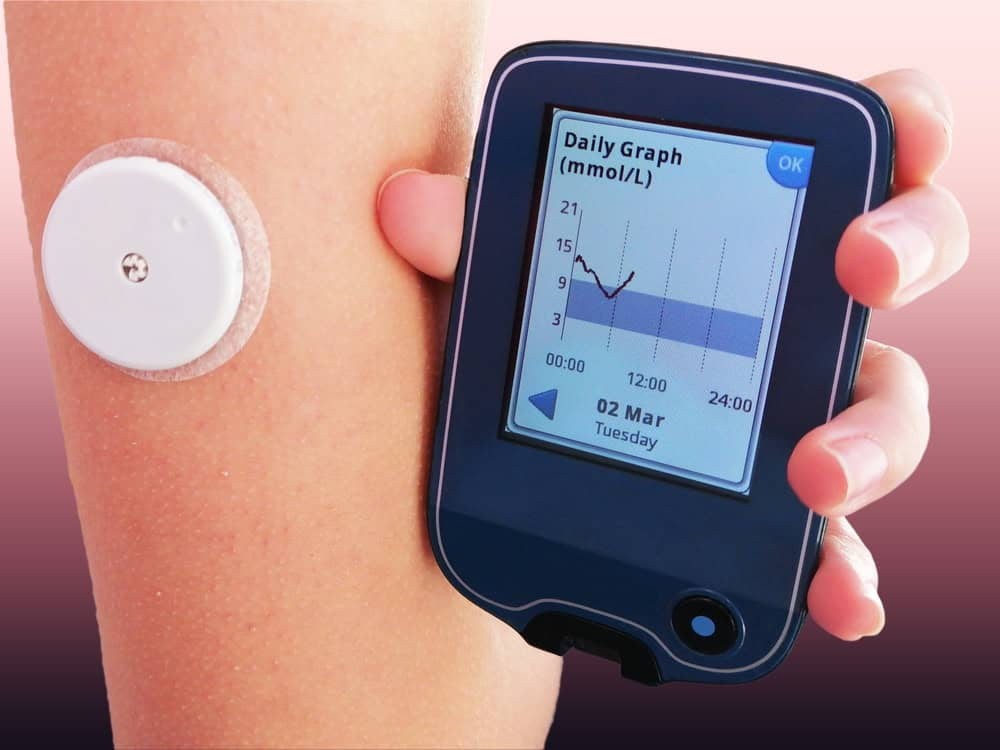
One of the most exciting trends in modern health optimization is the widespread adoption of Continuous Glucose Monitors (CGMs) by non-diabetic individuals.
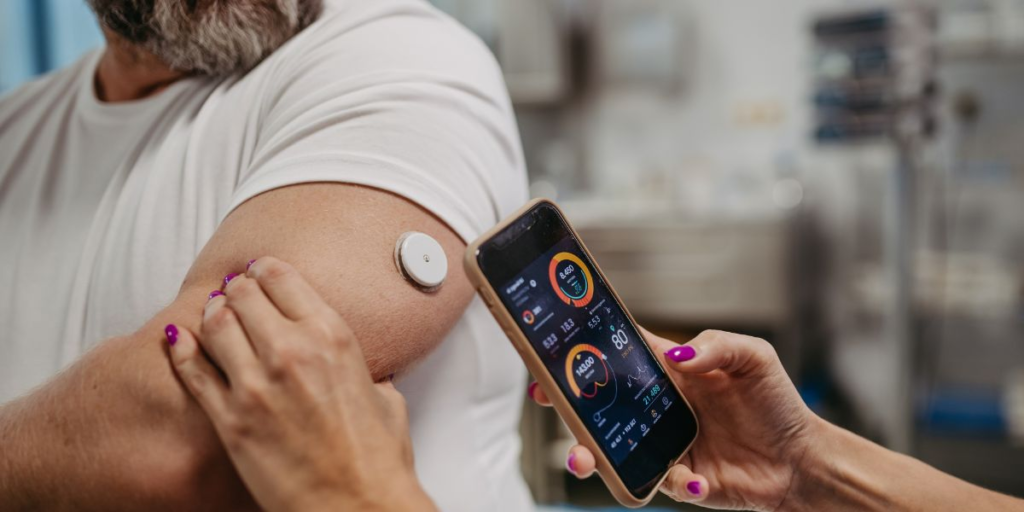
A CGM uses a tiny, painless filament inserted just under the skin (usually on the back of the arm) to measure glucose levels in your interstitial fluid in real time.
Understanding Your Unique Metabolic Fingerprint
Two different people can eat the exact same banana, and their blood sugar will react in completely opposite ways. One person might experience a perfectly stable energy curve, while the other experiences a massive glucose spike followed by a severe energy crash.
[Glucose Spike (Processed Carbs/Individual Triggers)] ──► Insulin Surge ──► Sudden Crash (Fatigue & Cravings)
[Stable Glucose Curve (Balanced Meals/Fiber/Protein)] ──► Steady Energy ──► Sustained Focus & Optimal Metabolism
By tracking your real-time glucose curves via apps linked to a CGM, you can pinpoint exactly which foods cause your blood sugar to spike, which combinations keep your energy rock-solid, and how poor sleep directly impairs your insulin sensitivity the following morning. It provides unprecedented transparency into your unique metabolic health.
How to Build Your Personal Health Monitoring Ecosystem
You do not need to buy every single device on the market to build a highly effective health tracking ecosystem. Instead, select a device that perfectly aligns with your specific personal lifestyle and long-term wellness goals.
The Minimalist Ecosystem
If you prefer a low-profile approach, a premium smart ring paired with a screen-free budget tracker is ideal. The experience is completely passive—your data quietly syncs in the background while you sleep and live your life. You get no annoying screens buzzing on your wrist, just deeply insightful morning reports on your recovery.
The High-Performance Athlete Ecosystem
If you crave raw data, a dedicated multi-sport GPS watch paired with an external chest strap heart rate monitor is the ultimate setup. It provides complete data transparency, including precise real-time training loads, accurate VO2 Max tracking, and highly detailed recovery metrics to structure your training blocks perfectly.