
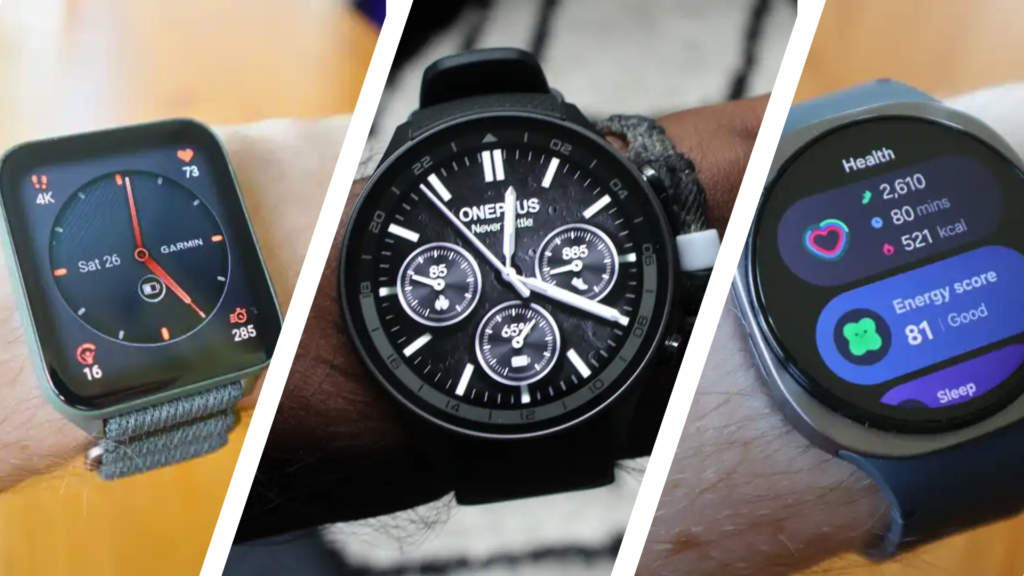
Smartwatches have evolved from simple notification devices into powerful wearable companions that support health tracking, fitness monitoring, communication, productivity, and entertainment. In 2026, smartwatches are more advanced than ever, offering features that help users stay connected and manage their daily activities with greater convenience.
Whether you are a fitness enthusiast, a working professional, a student, or someone who simply wants to stay connected without constantly checking a smartphone, choosing the right smartwatch can significantly improve your daily routine. However, with so many brands, models, and features available, finding the perfect smartwatch can be challenging.
Some smartwatches focus on health and fitness tracking, while others emphasize productivity, battery life, premium design, or smart home integration. Understanding your personal needs and priorities is essential before making a purchase.
This buying guide explores the most important factors to consider when selecting a smartwatch in 2026 and helps you make a confident decision based on your lifestyle and budget.
Smartwatch Features Comparison
| Feature | Why It Matters |
|---|---|
| Health Tracking | Monitors fitness and wellness |
| Battery Life | Reduces charging frequency |
| Smartphone Compatibility | Ensures smooth connectivity |
| GPS Support | Helps track outdoor activities |
| Water Resistance | Protects during workouts and travel |
Why Smartwatches Are More Popular Than Ever
The popularity of smartwatches continues to grow because people want quick access to information and health insights without relying entirely on smartphones.
Modern smartwatches can track physical activity, monitor heart rate, measure sleep quality, display notifications, support contactless payments, and even provide emergency assistance features. These capabilities make smartwatches valuable tools for both personal and professional use.
As wearable technology becomes more sophisticated, consumers are increasingly viewing smartwatches as essential everyday devices rather than optional accessories.
Define Your Primary Purpose

Before choosing a smartwatch, it is important to determine how you plan to use it.
Some users prioritize fitness tracking and health monitoring, while others need productivity tools for work-related tasks. Many buyers simply want a convenient way to receive calls, messages, and notifications.
Understanding your primary objective helps narrow down available options and prevents spending money on features that may never be used.
A smartwatch that aligns with your lifestyle will deliver the best value and user experience.
Health and Fitness Tracking Features
Health tracking remains one of the most important reasons people buy smartwatches.
Many modern devices offer heart rate monitoring, sleep tracking, activity tracking, calorie measurement, step counting, and workout analysis. Advanced models may also include blood oxygen monitoring, stress tracking, recovery analysis, and wellness insights.
Individuals focused on improving fitness and maintaining a healthy lifestyle should prioritize devices with reliable health-monitoring capabilities.
The quality and accuracy of health data can vary between models, making this an important consideration during the buying process.
Battery Life Matters

Battery life is one of the most practical factors to consider when purchasing a smartwatch. Some devices require daily charging, while others can operate for several days or even weeks on a single charge. Frequent charging may be inconvenient for users who travel frequently or engage in outdoor activities. Choosing a smartwatch with sufficient battery life ensures a better user experience and minimizes interruptions. The ideal battery performance depends on how heavily the device will be used throughout the day.
Compatibility with Your Smartphone
Not all smartwatches work equally well with every smartphone. Before making a purchase, users should confirm that the smartwatch is fully compatible with their mobile operating system. Strong compatibility ensures smooth synchronization of notifications, contacts, applications, and health data.
A smartwatch that integrates seamlessly with your smartphone will provide a more efficient and enjoyable experience. Ignoring compatibility requirements may result in limited functionality and frustration.
Design and Comfort

A smartwatch is something many people wear all day, making comfort and design important considerations.
Some users prefer lightweight and sporty designs, while others favor premium materials and stylish appearances. The size of the watch, display quality, strap options, and overall build quality all contribute to comfort.
A smartwatch should feel comfortable during workouts, work hours, and everyday activities.Balancing functionality with design helps ensure long-term satisfaction with the device.
GPS and Outdoor Activity Tracking
For runners, cyclists, hikers, and outdoor enthusiasts, GPS functionality is extremely valuable. Built-in GPS allows users to track routes, distances, and workout performance without carrying a smartphone.
Accurate location tracking enhances fitness analysis and supports outdoor adventures. Those who regularly participate in outdoor activities should consider smartwatches with dependable GPS capabilities. This feature adds convenience and improves activity monitoring accuracy.
Smart Features and Productivity
Modern smartwatches offer a variety of productivity-focused features.
Users can receive notifications, respond to messages, answer calls, manage calendars, control music, and access smart home devices directly from their wrists.
These capabilities reduce the need to frequently check smartphones and help users stay organized throughout the day.
For professionals and busy individuals, productivity features can be just as important as fitness tracking.
Choosing the right balance between health and productivity features depends on personal preferences.
Water Resistance and Durability
A durable smartwatch is better equipped to handle everyday challenges. Water resistance is particularly useful for individuals who exercise regularly, travel often, or participate in outdoor activities.
Many smartwatches are designed to withstand sweat, rain, and accidental water exposure. Durability also includes scratch resistance and strong construction materials that protect the device over time.
A durable smartwatch typically provides greater long-term value.
Budget Considerations

Smartwatches are available across a wide range of price points.
Budget-friendly options often provide essential health tracking and notification features, while premium models include advanced sensors, premium materials, and enhanced software capabilities.
The most expensive device is not always the best choice.
Buyers should focus on features that match their needs rather than selecting a smartwatch solely based on price.
A well-balanced device that meets personal requirements often delivers the greatest satisfaction.
Pros and Cons of Smartwatches
| Pros | Cons |
|---|---|
| Convenient access to notifications | Requires regular charging |
| Supports health and fitness tracking | Advanced models can be expensive |
| Improves productivity and organization | Small screens may limit usability |
| Provides real-time health insights | Some features depend on smartphones |
| Useful for workouts and outdoor activities | Compatibility varies between devices |
| Offers smart features and connectivity | Learning curve for new users |
Conclusion
Smartwatches have become powerful wearable devices that combine technology, health tracking, communication, and productivity into a single product. In 2026, consumers have more choices than ever, making it important to evaluate features carefully before purchasing.