
Climate change, rising energy demands, and growing environmental awareness are driving one of the biggest technological revolutions of our time. In 2026, green technology is no longer just a trend—it has become a necessity for businesses, governments, and individuals looking to reduce their environmental impact while improving efficiency.
From renewable energy and electric vehicles to AI-powered energy management and sustainable manufacturing, green technology is changing how we live, work, and protect the planet. Companies across industries are investing in cleaner solutions that reduce waste, lower carbon emissions, and create a more sustainable future.
In this guide, we’ll explore the top green technology trends transforming the world in 2026 and why they matter.
What Is Green Technology?
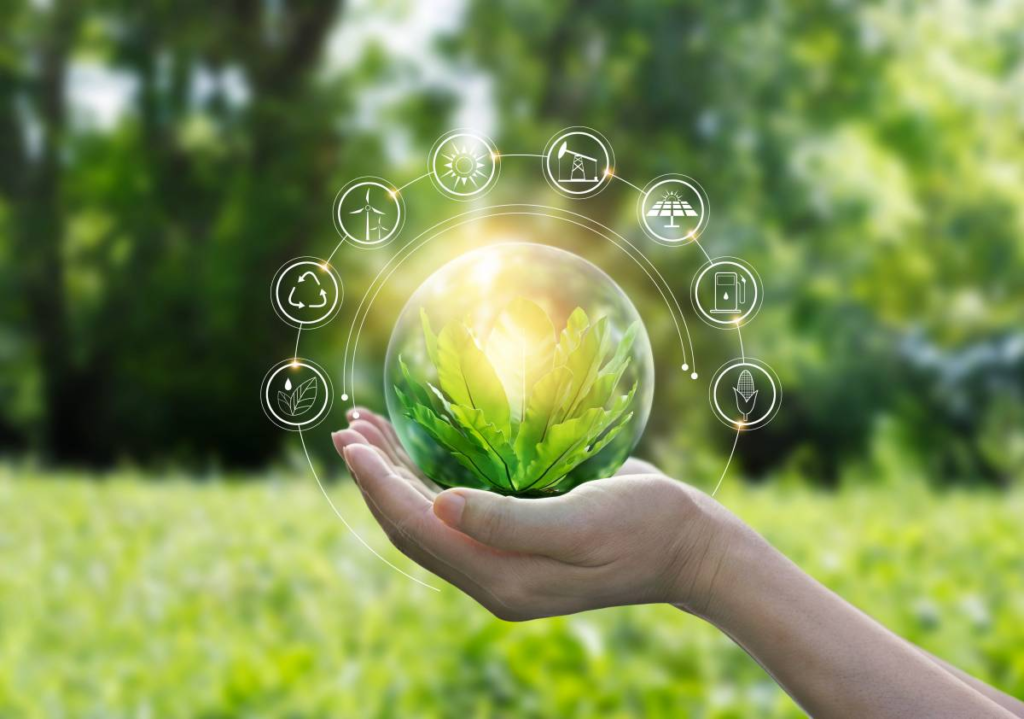
Green technology, often called clean technology (CleanTech) or environmental technology, refers to products, systems, and innovations designed to minimise environmental damage while conserving natural resources.
Unlike traditional technologies that often rely on fossil fuels or generate significant waste, green technologies focus on sustainability. Their goal is to reduce pollution, improve energy efficiency, and encourage the responsible use of natural resources without sacrificing performance or innovation.
As governments introduce stricter environmental policies and consumers become more eco-conscious, green technology is rapidly becoming a key part of everyday life.
Why Green Technology Matters in 2026
The demand for sustainable solutions has never been greater. Global energy consumption continues to rise, while businesses are under increasing pressure to lower emissions and operate responsibly.
Green technology helps solve these challenges by making industries more efficient and environmentally friendly.
Some of its biggest benefits include:
- Reducing greenhouse gas emissions
- Lowering energy consumption
- Improving air and water quality
- Conserving natural resources
- Reducing waste through recycling and reuse
- Creating new green jobs and industries
- Supporting long-term economic growth
As technology continues to evolve, sustainable innovation is becoming both an environmental responsibility and a competitive business advantage.
Renewable Energy Continues to Expand
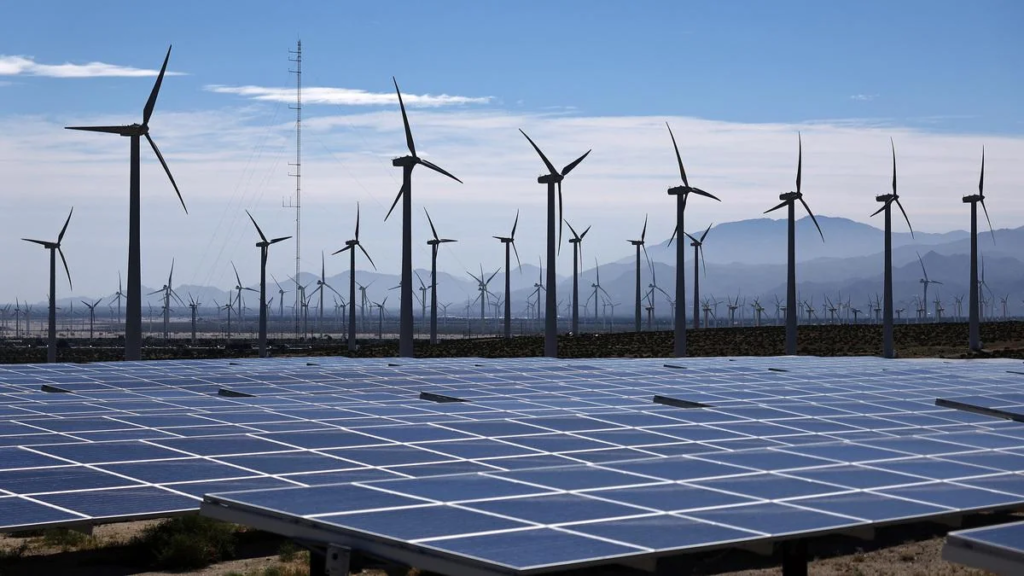
Renewable energy remains one of the most important green technology trends in 2026. Solar, wind, hydroelectric, and geothermal power are becoming more affordable and efficient than ever before.
Modern solar panels generate more electricity even in low-light conditions, while offshore wind farms produce record amounts of clean energy. Improved battery storage systems also help balance energy supply, making renewable power available even when the sun isn’t shining or the wind isn’t blowing.
Many countries are increasing investments in renewable infrastructure to reduce dependence on fossil fuels and strengthen energy security.
Smarter Energy Storage Solutions
Generating renewable energy is only part of the solution. Efficient storage is equally important.
Next-generation battery technology allows homes, businesses, and power grids to store excess renewable energy for later use. These advanced batteries charge faster, last longer, and require fewer raw materials than earlier models.
Large-scale energy storage systems are also helping stabilise electricity grids and reduce power outages, making renewable energy more practical for everyday use.
Electric Vehicles Become More Mainstream
Electric vehicles (EVs) continue to gain popularity as battery technology improves and charging infrastructure expands.
Modern EVs offer longer driving ranges, faster charging times, and lower maintenance costs compared to traditional petrol or diesel vehicles.
Governments are encouraging adoption through tax incentives, stricter emissions regulations, and investments in public charging networks. At the same time, manufacturers are introducing electric cars, buses, trucks, and even construction equipment to reduce transportation-related emissions.
Artificial Intelligence Optimises Energy Use
Artificial intelligence is playing a major role in improving sustainability.
AI-powered systems analyse energy consumption, predict maintenance needs, and automatically optimise heating, cooling, and lighting systems in buildings.
Factories use AI to reduce production waste, while smart grids rely on machine learning to distribute electricity more efficiently based on demand.
By reducing unnecessary energy consumption, AI helps lower operating costs while supporting environmental goals.
Smart Buildings Improve Energy Efficiency
Buildings account for a significant share of global energy use. Smart building technology is helping change that.
Sensors, connected devices, and intelligent management systems automatically adjust lighting, temperature, ventilation, and security based on occupancy and weather conditions.
These systems improve comfort while significantly reducing electricity consumption and carbon emissions.
Many new commercial buildings are now designed with sustainability as a core objective rather than an afterthought.
Sustainable Manufacturing Gains Momentum
Manufacturers are embracing cleaner production methods to reduce waste and improve efficiency.
Modern factories increasingly use recycled materials, renewable energy, and automated systems that minimise resource consumption.
Advanced monitoring technologies help businesses identify inefficiencies, reduce emissions, and optimise production processes without compromising quality.
Sustainable manufacturing also supports circular economy principles by encouraging repair, reuse, and recycling instead of disposal.
Circular Economy Drives Less Waste
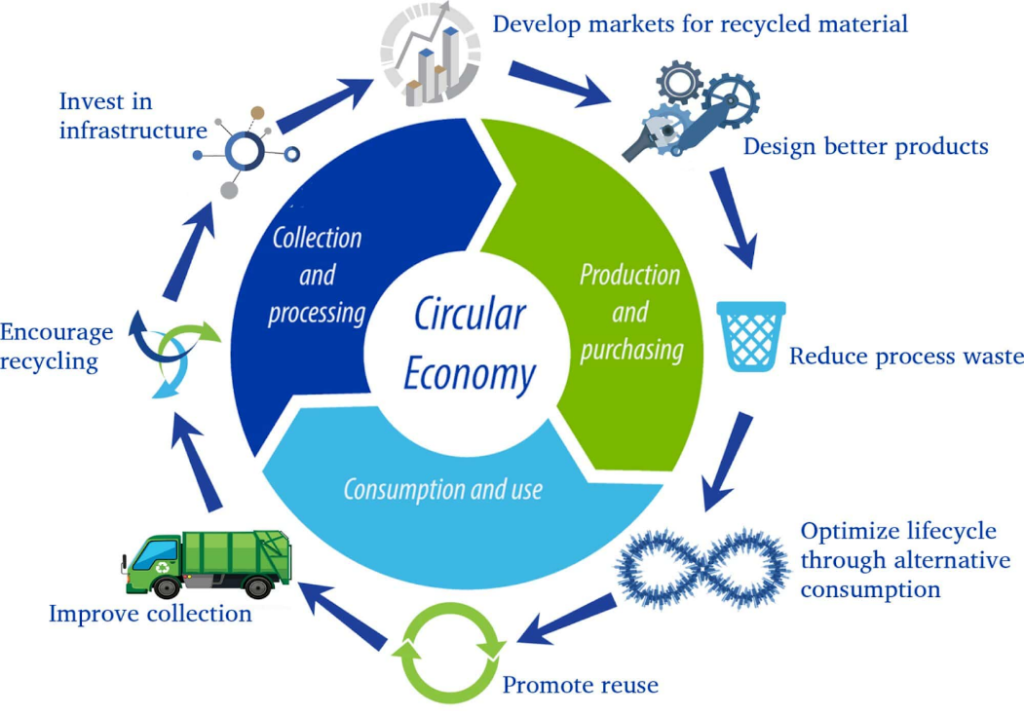
The circular economy is becoming a central part of green innovation.
Instead of the traditional “make, use, and dispose” model, businesses are designing products that can be repaired, refurbished, or recycled.
Consumers are also becoming more interested in products made from recycled materials or designed for longer lifespans.
This approach reduces landfill waste, conserves raw materials, and lowers manufacturing costs over time.
Green Data Centres Reduce Environmental Impact
As cloud computing and artificial intelligence continue to grow, data centres consume enormous amounts of electricity.
To reduce their environmental footprint, companies are investing in greener facilities powered by renewable energy.
Modern data centres also use advanced cooling systems, efficient hardware, and AI-driven resource management to lower energy consumption while maintaining high performance.
These improvements help support the growing digital economy without dramatically increasing carbon emissions.
Water Conservation Technologies
Water scarcity is becoming an increasing concern across many regions.
Innovative green technologies now monitor water usage in real time, detect leaks automatically, and improve irrigation efficiency in agriculture.
Smart irrigation systems use weather forecasts and soil sensors to deliver only the amount of water crops actually need, reducing waste while maintaining productivity.
Advanced water purification technologies are also making clean drinking water more accessible in areas facing shortages.
Eco-Friendly Construction Materials

The construction industry is adopting sustainable materials that reduce environmental impact without compromising durability.
Examples include recycled steel, low-carbon concrete, engineered timber, bamboo, and eco-friendly insulation materials.
Many builders are also designing energy-efficient homes that require less heating, cooling, and electricity throughout their lifespan.
These innovations reduce both construction-related emissions and long-term operating costs.
Carbon Capture Technologies
While reducing emissions remains the priority, carbon capture technology is helping remove existing carbon dioxide from industrial emissions and even directly from the atmosphere.
New carbon capture systems are becoming more efficient and commercially viable, allowing industries to reduce their environmental impact while transitioning toward cleaner operations.
Although still developing, this technology is expected to play an important role in achieving long-term climate goals.
Green Technology in Agriculture
Agriculture is becoming more sustainable through precision farming and smart technology.
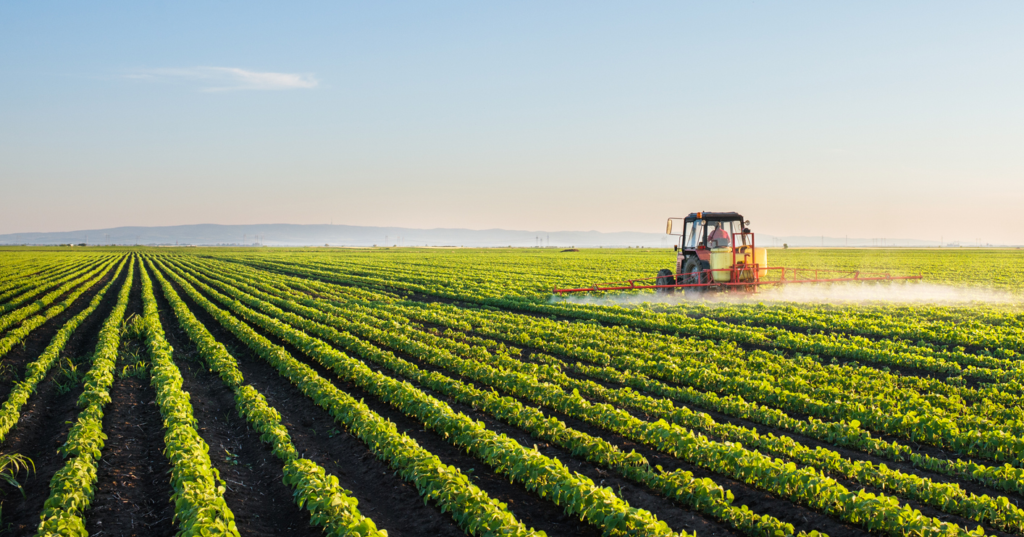
Farmers use drones, satellite imaging, AI, and IoT sensors to monitor crops, optimise fertiliser use, reduce pesticide application, and improve irrigation.
These technologies increase crop yields while reducing environmental impact and conserving valuable resources.
Vertical farming and hydroponic systems are also helping produce fresh food with significantly lower water consumption.
Key Benefits of Green Technology
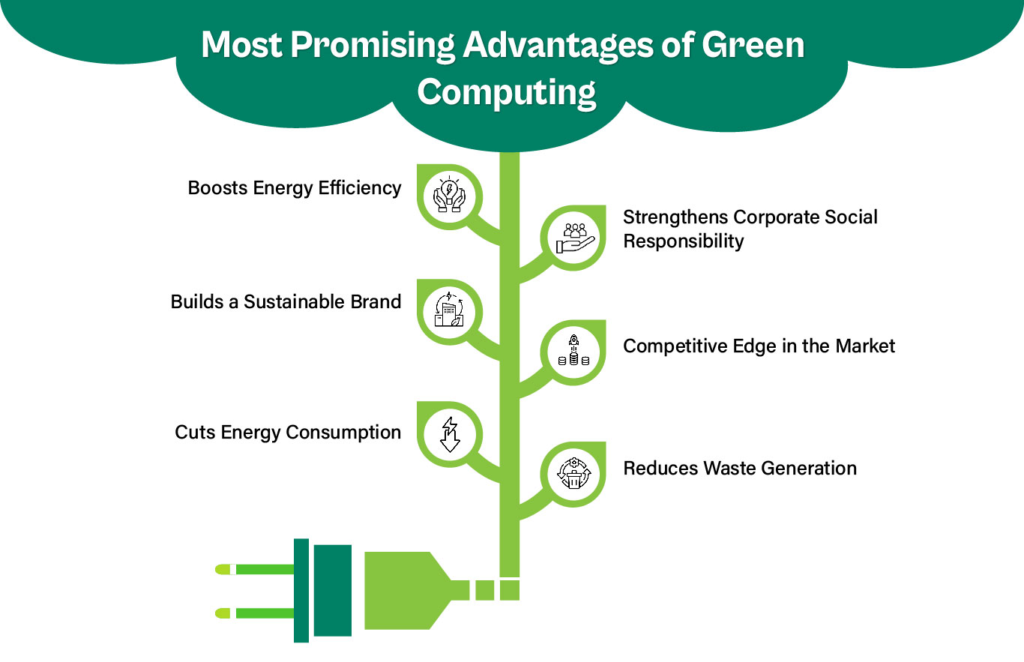
Green technology offers advantages that go far beyond environmental protection.
Businesses benefit from lower operating costs through improved energy efficiency and reduced waste. Consumers enjoy lower utility bills, cleaner air, and access to innovative products designed for sustainability.
Governments also gain by improving energy independence, supporting economic growth, and creating employment opportunities in rapidly expanding green industries.
As adoption continues to grow, these benefits are expected to become even more significant over the coming years.
Challenges Facing Green Technology
Despite rapid progress, several challenges remain.
High upfront investment costs can discourage adoption, particularly for smaller businesses. Infrastructure for renewable energy and electric vehicles still needs expansion in many regions.
Some technologies depend on critical minerals that require responsible sourcing, while recycling systems for batteries and electronic waste continue to evolve.
Addressing these challenges will require collaboration between governments, businesses, researchers, and consumers.
What the Future Looks Like
The future of green technology is increasingly connected, intelligent, and sustainable.
Artificial intelligence, robotics, renewable energy, advanced battery storage, and smart infrastructure will continue working together to create cleaner cities and more efficient industries.
As innovation accelerates, sustainable technology is expected to become more affordable, accessible, and integrated into everyday life, helping both developed and developing nations achieve long-term environmental goals.