
Artificial Intelligence has become one of the most talked-about technologies in recent years, and Generative AI is leading this technological revolution. In 2026, Generative AI is transforming the way people create content, solve problems, develop products, and interact with technology. From writing articles and generating images to creating videos and assisting businesses with daily operations, Generative AI has become a powerful tool across multiple industries.
Unlike traditional AI systems that focus on analyzing data and making predictions, Generative AI creates entirely new content based on patterns learned from large datasets. This ability has opened countless opportunities for businesses, creators, educators, and professionals looking to improve productivity and innovation.
As the technology continues to evolve, understanding how Generative AI works and how it can be used effectively is becoming increasingly important. Whether you are a student, entrepreneur, marketer, or technology enthusiast, learning about Generative AI can help you stay ahead in a rapidly changing digital world.
This beginner-friendly guide explains what Generative AI is, how it works, its benefits, applications, challenges, and future potential in 2026.
Generative AI at a Glance
| Feature | Description | Benefit |
|---|---|---|
| Text Generation | Creates written content | Faster content creation |
| Image Generation | Produces digital artwork and visuals | Improved creativity |
| Video Generation | Creates and edits videos | Enhanced media production |
| Audio Generation | Generates music and voice content | Better content creation |
| Code Generation | Assists software development | Increased productivity |
| Customer Support | Powers AI chatbots | Faster responses |
| Marketing Automation | Creates marketing content | Improved efficiency |
| Education Support | Personalized learning assistance | Better learning experiences |
| Business Analytics | Generates reports and insights | Smarter decisions |
| Product Design | Assists innovation and prototyping | Faster development |
What Is Generative AI?
Generative AI is a type of artificial intelligence that creates new content such as text, images, videos, music, audio, and computer code. Instead of simply analyzing information, it generates original outputs based on patterns learned from vast amounts of training data.
When users provide prompts or instructions, Generative AI uses its learned knowledge to produce relevant content. This capability allows individuals and businesses to create high-quality materials quickly and efficiently.
Generative AI is built using advanced machine learning models that continuously improve through training and data processing. These systems can understand context, recognize patterns, and generate human-like responses.
The rapid growth of Generative AI is changing how people work, learn, and communicate across industries.
How Generative AI Works
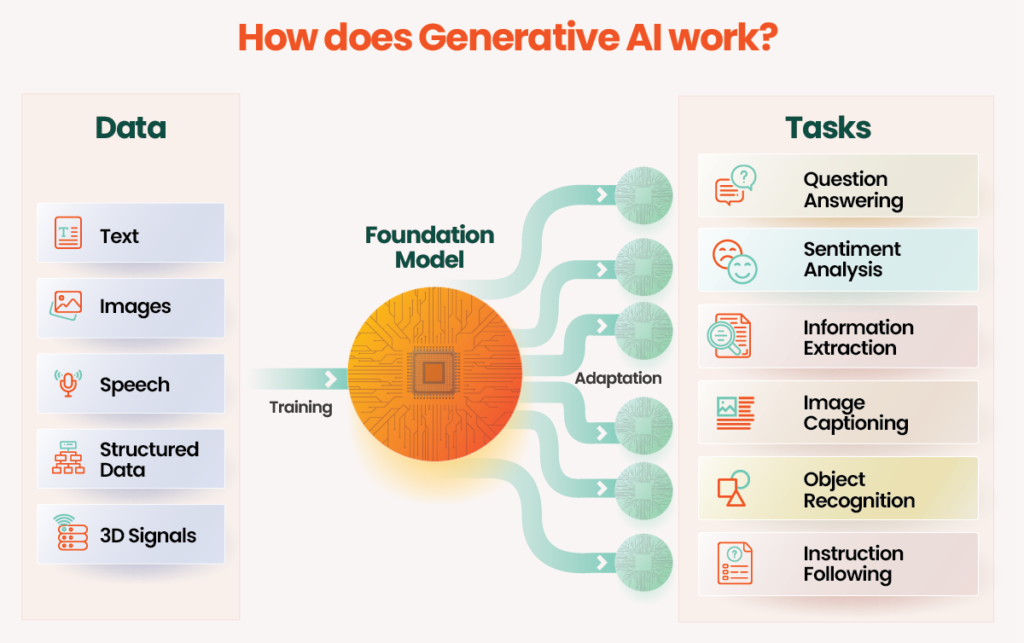
Generative AI learns from massive datasets containing text, images, videos, and other forms of information. During training, the system identifies relationships and patterns within the data.
When a user enters a request, the AI predicts and generates the most relevant output based on what it has learned.
The process involves advanced machine learning techniques, including neural networks and large language models. These technologies allow AI systems to understand context and produce natural, coherent results.
The more advanced the model, the more accurate and useful the generated content becomes.
Why Generative AI Is Important in 2026
Generative AI has become a major driver of digital transformation. Businesses are using it to automate tasks, improve customer experiences, and increase productivity.
The technology helps organizations reduce costs while enabling employees to focus on strategic and creative work. It also provides individuals with tools that simplify complex tasks and improve efficiency.
As competition increases across industries, Generative AI offers a valuable advantage by accelerating innovation and supporting smarter decision-making.
Its ability to generate content quickly and accurately makes it one of the most influential technologies of 2026.
Generative AI in Content Creation
Content creation is one of the most popular applications of Generative AI.
Writers, marketers, bloggers, and businesses use AI tools to generate articles, social media posts, product descriptions, advertising copy, and email campaigns.
Generative AI helps reduce the time required to create content while maintaining quality and consistency.
Rather than replacing human creativity, AI often serves as a powerful assistant that helps creators brainstorm ideas, improve productivity, and overcome creative blocks.
Image and Video Generation
Generative AI is also transforming visual content creation.
Designers can use AI-powered tools to create illustrations, digital artwork, logos, marketing graphics, and realistic images based on simple text descriptions.
Video generation technology allows creators to produce promotional videos, educational content, and animations with less effort than traditional methods.
These capabilities are making professional-quality content creation more accessible to individuals and businesses of all sizes.
Generative AI in Business
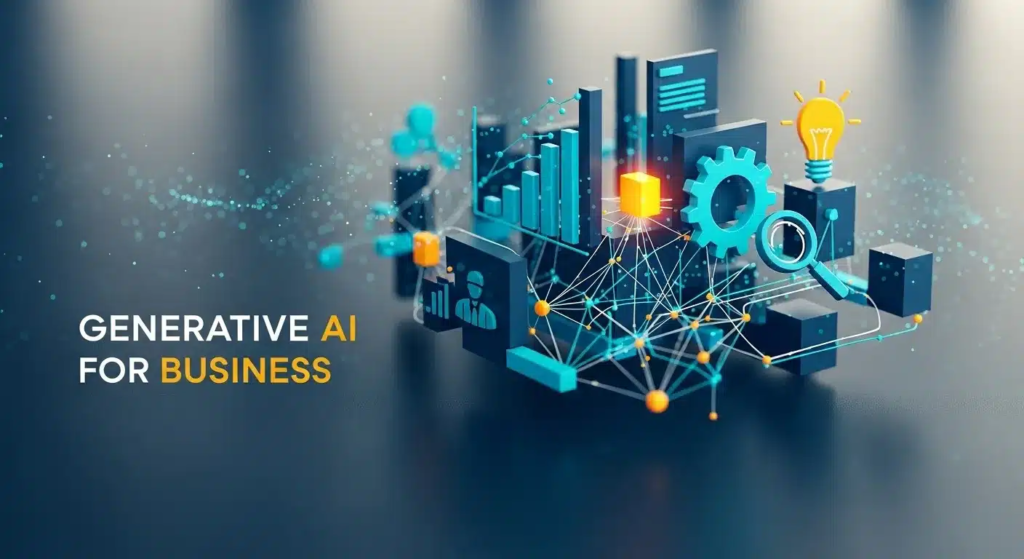
Businesses are increasingly adopting Generative AI to improve operations and drive growth.
AI can automate repetitive tasks, create reports, generate customer communications, and support strategic planning.
Marketing teams use AI for campaign creation, while customer service departments rely on AI-powered chatbots to handle inquiries efficiently.
By improving productivity and reducing manual workloads, Generative AI helps businesses operate more effectively in competitive markets.
Education and Learning Applications
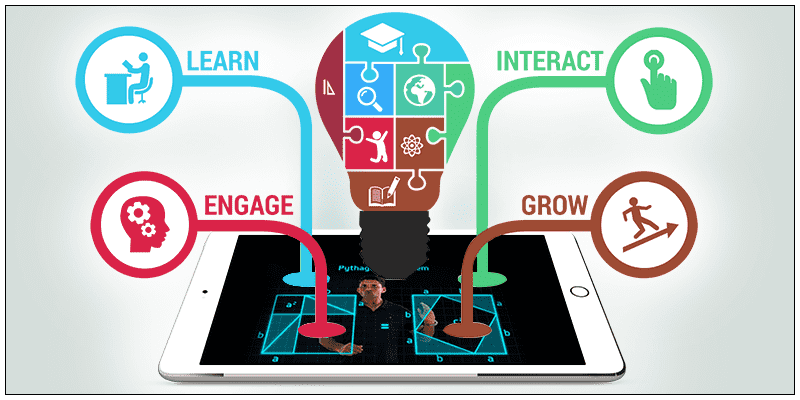
The education sector is benefiting significantly from Generative AI.
Students use AI tools for research, writing assistance, tutoring, and skill development. Educators use AI to create learning materials, assessments, and personalized educational experiences.
Generative AI can adapt content to individual learning styles and provide instant feedback, helping students learn more effectively.
As educational technology evolves, AI is expected to play an even greater role in supporting learning outcomes.
Software Development and Coding
Generative AI is changing software development by assisting programmers with coding tasks.
AI-powered coding assistants can generate code snippets, identify errors, suggest improvements, and automate repetitive development activities.
These tools help developers work faster and improve software quality.
By reducing routine coding tasks, developers can focus on innovation and problem-solving.
Challenges and Ethical Considerations
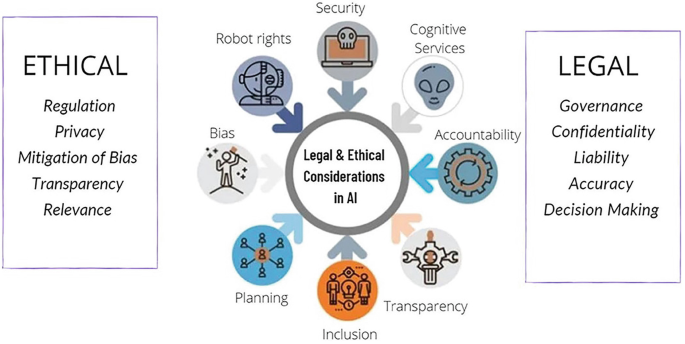
While Generative AI offers many advantages, it also presents challenges.
Concerns related to data privacy, misinformation, copyright issues, and content accuracy continue to generate discussion.
Organizations must use AI responsibly and establish policies that ensure transparency and ethical practices.
Human oversight remains important to verify outputs and prevent misuse.
Addressing these challenges is essential for maximizing the benefits of Generative AI while minimizing potential risks.
Future of Generative AI
The future of Generative AI looks incredibly promising.
Advancements in machine learning, computing power, and data processing are expected to make AI systems even more capable and intelligent.
Future applications may include highly personalized digital assistants, advanced business automation, realistic virtual environments, and more sophisticated creative tools.
As technology continues to evolve, Generative AI will likely become an integral part of everyday life and business operations.
Organizations that embrace AI innovation today will be better positioned to succeed in the future.
Pros and Cons of Generative AI
| Pros | Cons |
|---|---|
| Improves productivity | Risk of inaccurate content |
| Saves time on repetitive tasks | Data privacy concerns |
| Supports creativity and innovation | Potential misuse of technology |
| Enhances content creation | Ethical and copyright challenges |
| Reduces operational costs | Dependence on quality data |
| Automates workflows | Requires human review |
| Improves customer experiences | Implementation costs |
| Enables scalable solutions | Risk of misinformation |
Why Businesses Are Investing in Generative AI
Businesses view Generative AI as a powerful tool for improving efficiency and staying competitive. The technology helps organizations automate routine tasks, create content faster, improve customer service, and analyze information more effectively.
Companies that successfully integrate AI into their operations often experience increased productivity, better customer engagement, and stronger innovation capabilities.
As AI adoption continues to grow, Generative AI is becoming a strategic investment for long-term business success.
Conclusion
Generative AI is one of the most exciting technological innovations of 2026. Its ability to create text, images, videos, code, and other forms of content is transforming industries and changing how people work.
From business automation and content creation to education and software development, Generative AI offers countless opportunities for innovation and growth.