
Cybersecurity teams are facing a difficult reality in 2026: there are more devices, applications, cloud services, identities, and digital connections to protect than ever before. At the same time, cyberattacks are becoming faster and more sophisticated. Security teams cannot always investigate every alert manually, especially when hundreds or thousands of suspicious events can appear in a single day.
This is where Autonomous Security Operations Centers (SOCs) are gaining attention.
An autonomous SOC uses artificial intelligence, machine learning, automation, and AI agents to help security teams detect, investigate, prioritize, and respond to threats. Instead of relying entirely on analysts to examine every alert, AI systems can handle repetitive tasks and help security professionals focus on incidents that require human judgment.
The idea is not necessarily to remove people from cybersecurity. Instead, autonomous SOCs aim to create a partnership between security professionals and intelligent automation, allowing teams to respond to threats faster while reducing repetitive workloads.
What Is an Autonomous SOC?
A Security Operations Center, or SOC, is a team or function responsible for monitoring an organization’s digital environment and responding to potential security threats.
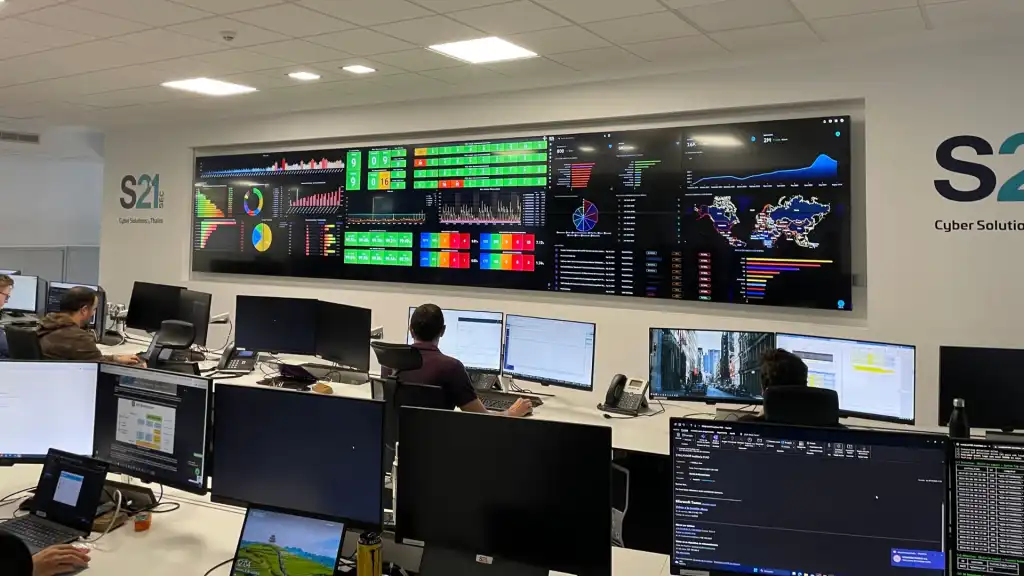
A traditional SOC typically brings together security analysts, monitoring systems, threat intelligence, endpoint protection, network security, and other technologies. Analysts review alerts, investigate suspicious behavior, determine whether an incident is real, and decide what action should be taken.
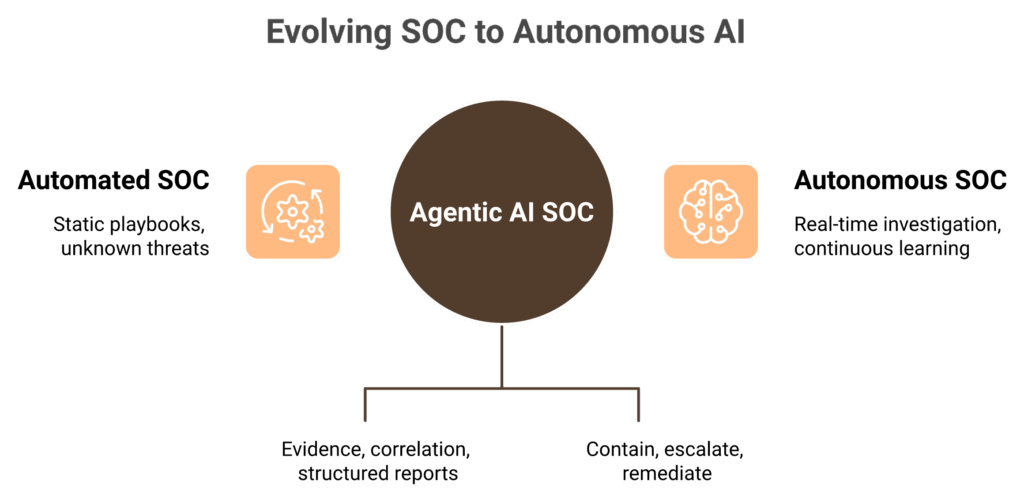
An autonomous SOC adds AI-driven decision-making and automation to this process.
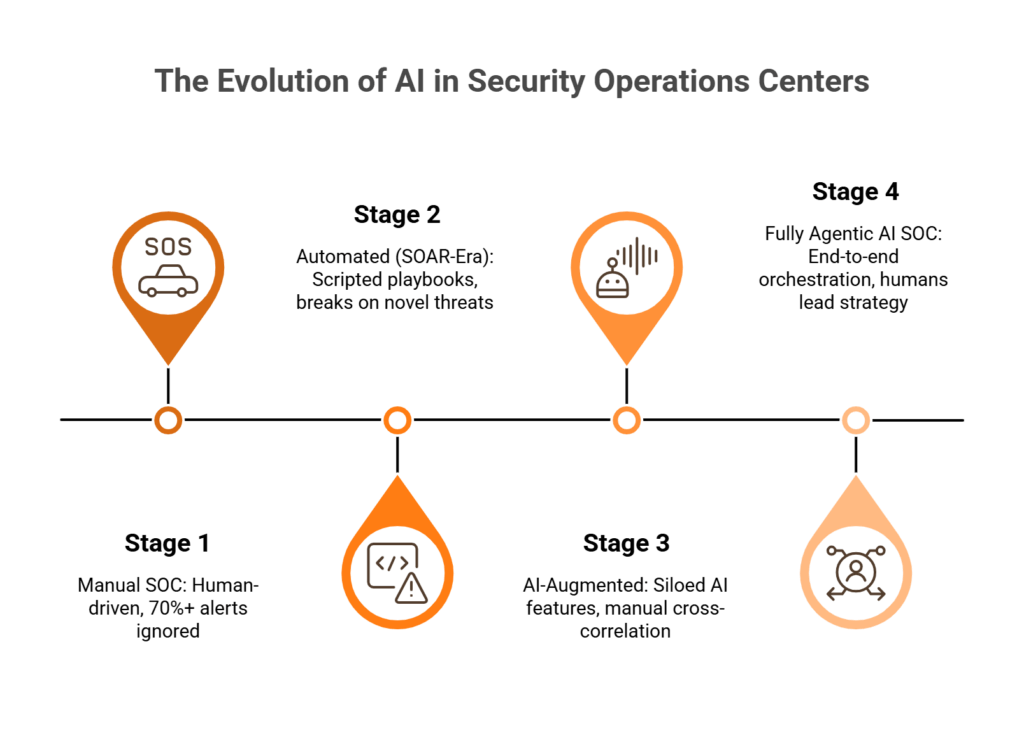
AI agents can continuously analyze security data, identify patterns, investigate suspicious activity, gather additional context, and in some environments recommend or execute predefined response actions.
The level of autonomy can vary. Some organizations may use AI only for investigation and recommendations, while others may allow automation to perform certain low-risk response actions automatically.
Why Autonomous SOCs Are Becoming Important in 2026
The amount of security data generated by modern organizations is enormous. Businesses may have information coming from cloud platforms, employee devices, applications, identity systems, networks, email systems, and security tools.
The problem is not simply collecting this information. The challenge is understanding what matters most.
A security analyst could receive hundreds of alerts during a shift, but not every alert represents a serious threat. Some may be false positives, while others may be connected parts of a larger attack.
AI can help connect these individual signals and identify relationships that might otherwise take a human analyst much longer to discover.
This makes autonomous SOC technology attractive for organizations looking to improve security response speed, alert prioritization, and operational efficiency.
How AI Agents Work Inside a SOC
AI agents are designed to perform specific tasks based on information available to them. In a cybersecurity environment, an agent might be responsible for analyzing suspicious login activity, investigating malware alerts, or gathering information about a potentially compromised account.
For example, imagine an employee’s account suddenly logs in from an unusual location and then accesses several sensitive systems.
Instead of simply generating another alert, an AI-powered SOC could investigate the event by checking login history, device information, access patterns, and related security events.
The system could then determine whether the activity appears normal or suspicious and provide an investigation summary to the security team.
Depending on the organization’s policies, the system might recommend actions such as requiring additional authentication or temporarily restricting access.
Autonomous SOCs Can Reduce Alert Fatigue
One of the biggest challenges for security analysts is alert fatigue.
When analysts receive too many alerts, it becomes difficult to give every event the attention it deserves. Repetitive alerts can consume valuable time and make it harder to focus on serious incidents.
AI automation can help by grouping related alerts, removing obvious duplicates, assigning priorities, and providing additional context.
Instead of presenting an analyst with dozens of disconnected notifications, an autonomous SOC can potentially turn them into a smaller number of meaningful investigations.
This allows security professionals to spend more time on complex threats and strategic security decisions.
Faster Threat Detection and Investigation
Speed is critical during a cyberattack. The longer an attacker remains inside an environment, the more opportunities they may have to access systems, steal information, or disrupt operations.
Autonomous SOC technologies can continuously monitor security data and investigate suspicious activity without waiting for a human analyst to begin the process.
AI can rapidly compare current events with known threat patterns, historical activity, identity behavior, and security intelligence.
This does not mean AI will always identify a threat correctly. Cybersecurity environments are complicated, and attackers constantly change their techniques. However, automation can significantly reduce the amount of manual investigation required for many routine events.
AI Helps Connect the Dots
Cyberattacks rarely happen through one isolated event.
An attacker might first obtain stolen credentials, log into an account, access a cloud service, move between systems, and attempt to access sensitive information. Each event may look relatively ordinary when viewed independently.
AI can help security teams identify connections between seemingly unrelated events.
For example, a suspicious login followed by unusual file access and a new administrative permission could represent a much more serious situation when viewed together.
This ability to correlate information is one of the most valuable capabilities of an AI-powered SOC.
Automated Incident Response
Detection is only one part of cybersecurity. Once a threat is identified, organizations need to respond.
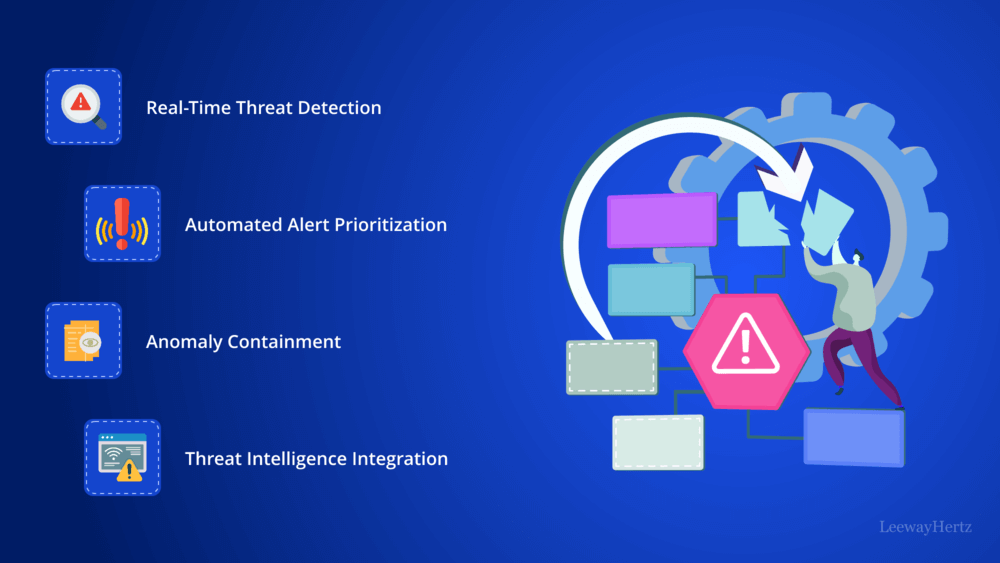
Autonomous SOC platforms can automate certain response activities based on predefined rules and organizational policies.
Depending on the environment, automated actions might include isolating a compromised endpoint, disabling a suspicious account, blocking a malicious connection, or escalating an incident to a human analyst.
However, not every action should be automated.
A low-risk and reversible action may be suitable for automation, while a decision that could disrupt a critical business system may require human approval.
Human Analysts Still Matter
One common misconception is that autonomous SOCs will completely replace cybersecurity professionals.
In reality, human expertise remains essential.
AI systems can analyze large amounts of information quickly, but humans are still needed to understand business context, evaluate unusual situations, make high-impact decisions, investigate sophisticated attacks, and design security strategies.
For example, an automated system might identify suspicious behavior from an employee’s account. A human analyst may know that the employee is traveling internationally and that the unusual login is legitimate.
This is why the strongest model is often human-in-the-loop cybersecurity, where AI handles speed and scale while people provide judgment and oversight.
Autonomous SOCs and Generative AI
Generative AI is adding another layer to security operations.
Traditional automation often follows predefined rules. Generative AI can help interpret unstructured information, summarize investigations, explain technical findings, and assist analysts in communicating complex incidents.
For example, instead of reading dozens of technical security logs, an analyst might receive a concise explanation of what happened, which systems were affected, why the behavior appears suspicious, and what actions could be considered.
This can make security information easier to understand, particularly for teams dealing with large and complex environments.
The Role of Machine Learning
Machine learning has been used in cybersecurity for years, but its role continues to expand.
Machine-learning models can analyze large datasets and identify unusual patterns that may indicate malicious activity.
For example, a system could learn what normal network traffic or user behavior looks like and flag activity that significantly differs from the established pattern.
The challenge is that unusual does not always mean malicious. A legitimate employee may suddenly travel, change devices, or access a new system.
Therefore, context is extremely important. AI systems need multiple signals and good-quality data to reduce unnecessary alerts.
Benefits of Autonomous SOCs
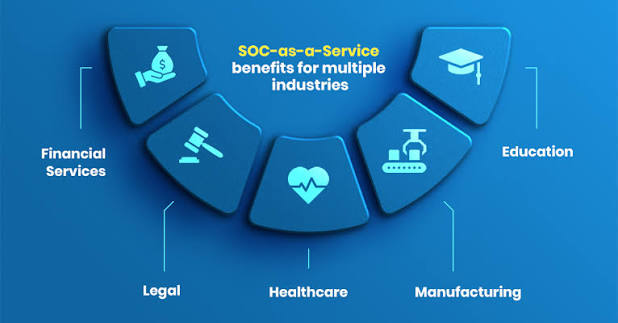
Organizations exploring autonomous SOC technology may see several potential advantages.
One major benefit is faster investigation. AI can process information much more quickly than a human manually reviewing thousands of records.
Another benefit is reduced repetitive work. Analysts can spend less time performing routine searches and more time solving complex security problems.
Autonomous systems can also provide continuous monitoring, helping organizations maintain security visibility around the clock.
For smaller security teams, automation may be particularly valuable because it can help extend their capabilities without requiring every task to be handled manually.
Challenges and Risks
Despite its potential, autonomous cybersecurity is not risk-free.
One major concern is false positives and false negatives. AI can make mistakes, and a system that incorrectly identifies legitimate behavior as malicious could disrupt business operations.
There is also the risk of giving automated systems too much authority. If an AI agent is allowed to disable accounts, isolate systems, or change security configurations without appropriate controls, an incorrect decision could cause significant disruption.
Organizations therefore need strong access controls, monitoring, testing, audit trails, and human oversight.
Another challenge is data quality. AI systems depend on the information they receive. Incomplete, outdated, or poorly integrated security data can reduce the quality of automated decisions.
How Businesses Can Prepare for Autonomous SOCs
Organizations do not need to transform their entire SOC overnight.
A practical starting point is to identify repetitive, low-risk security tasks that consume significant analyst time.
For example, businesses might begin by automating alert enrichment, basic investigation steps, or routine reporting.
Once these workflows are working reliably, organizations can gradually introduce more advanced AI capabilities.
It is also important to establish clear policies around what AI can and cannot do. High-impact actions should generally have stronger approval requirements than low-risk automated tasks.
What Autonomous SOCs Could Look Like in the Future
The future of SOC operations will likely involve increasingly close collaboration between humans and AI.
Instead of analysts manually searching through every alert, AI systems may continuously monitor the environment, investigate suspicious behavior, and prepare detailed incident summaries.
Security professionals could then focus on high-value investigations, threat hunting, security architecture, and strategic decision-making.
This could change the role of security analysts from primarily reacting to alerts toward managing intelligent systems and investigating more complicated threats.
The SOC of the future may therefore be less about replacing people and more about giving security teams more capable digital assistants.