
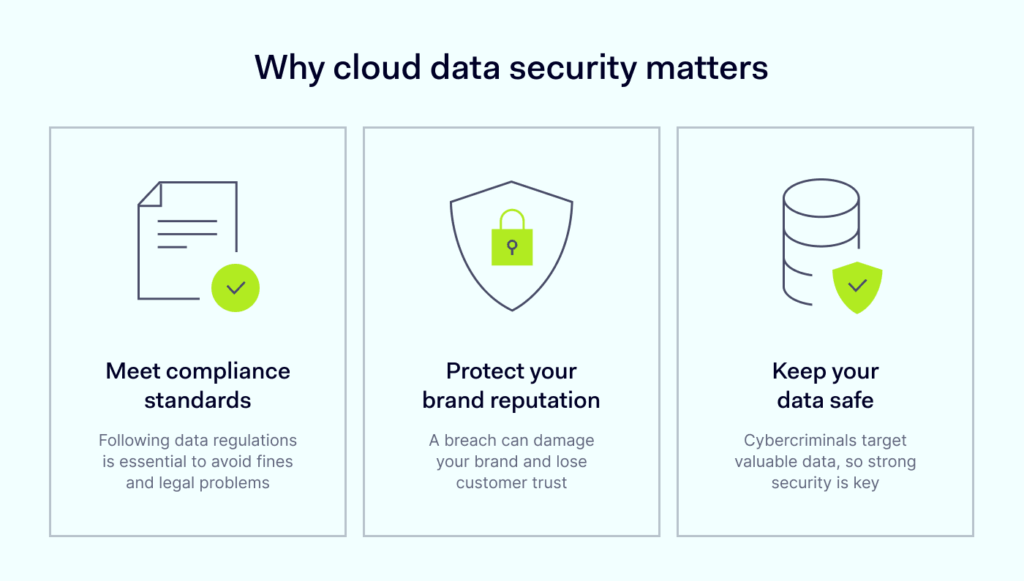
Cloud technology has transformed how businesses store, manage, and access their data. From startups to global enterprises, organisations are moving their applications and sensitive information to cloud platforms for better flexibility, scalability, and cost efficiency. However, as cloud adoption increases, protecting data and following security regulations have become major priorities.
Cloud compliance ensures that organisations follow required security standards, privacy regulations, and industry guidelines while using cloud services. It helps businesses protect sensitive information, reduce cyber risks, and build trust with customers. Understanding cloud compliance is essential for any organisation that wants to maintain a secure digital environment.
What Is Cloud Compliance?
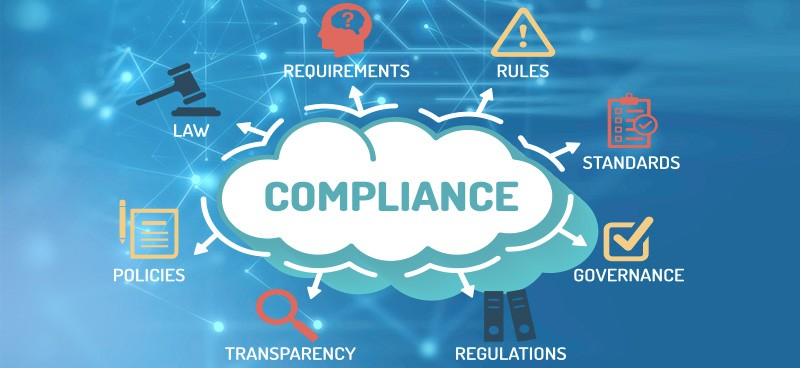
Cloud compliance refers to the process of ensuring that cloud-based systems, applications, and data storage methods follow established security standards and regulatory requirements. These rules are designed to protect confidential information from unauthorised access, data breaches, and cyber threats.
Unlike traditional IT environments, cloud systems involve multiple layers of responsibility. Cloud providers manage the security of their infrastructure, while businesses are responsible for securing their own data, user access, applications, and configurations.
Why Cloud Compliance Matters
Cloud compliance plays an important role in modern cybersecurity strategies. Without proper compliance measures, businesses may face data leaks, financial losses, legal penalties, and damage to their reputation.
Protecting Sensitive Data
Businesses store valuable information in the cloud, including customer details, financial records, employee information, and business documents. Compliance practices help protect this data through encryption, access controls, and monitoring systems.
Meeting Legal Requirements
Different industries must follow specific regulations related to data privacy and security. Cloud compliance helps organisations meet these requirements and avoid potential legal issues.
Building Customer Trust
Customers expect companies to handle their information responsibly. Strong cloud security and compliance practices show that an organisation takes data protection seriously.
Key Elements of Cloud Compliance
Cloud compliance includes several important areas that work together to create a secure cloud environment.
Data Security and Encryption
Data protection is one of the most important parts of cloud compliance. Encryption converts sensitive information into a secure format that cannot be easily accessed by unauthorised users.
Data Encryption
Encryption protects information while it is stored in cloud systems and while it moves between different locations. This reduces the risk of attackers accessing confidential data.
Secure Data Storage
Businesses should use secure cloud storage solutions with proper authentication, backup systems, and access restrictions to prevent data loss.
Identity and Access Management
Managing who can access cloud resources is essential for preventing security breaches.
User Authentication
Strong authentication methods such as multi-factor authentication add extra security layers by requiring users to verify their identity before accessing sensitive systems.
Access Control Policies
Cloud compliance requires businesses to control user permissions carefully. Employees should only have access to the information and systems necessary for their roles.
Cloud Security Standards and Frameworks
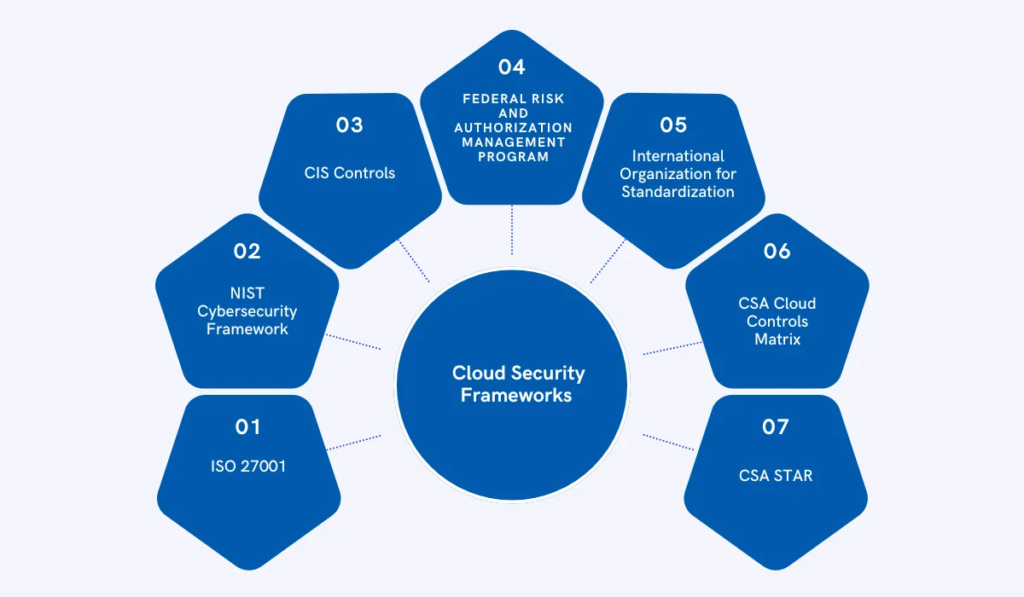
Following recognised security frameworks helps organisations maintain reliable cloud environments.
International Security Standards
ISO 27001
ISO 27001 provides guidelines for managing information security risks. Many organisations use this standard to improve their security processes and protect sensitive information.
SOC 2 Compliance
SOC 2 focuses on security, availability, processing integrity, confidentiality, and privacy. It is commonly used by technology companies that handle customer data.
Industry-Specific Regulations
GDPR Compliance
The General Data Protection Regulation focuses on protecting personal data and privacy rights. Businesses handling European user data must follow GDPR requirements.
HIPAA Compliance
Healthcare organisations must follow HIPAA requirements to protect patient information and maintain secure data handling practices.
Common Cloud Security Risks
While cloud platforms offer many benefits, they also introduce security challenges that businesses must manage.
Data Breaches
Data breaches occur when attackers gain unauthorised access to confidential information. Poor access controls, weak passwords, and incorrect cloud configurations can increase this risk.
Misconfigured Cloud Settings
Incorrect cloud configurations are one of the most common security problems. Open databases, unnecessary permissions, and weak security settings can expose sensitive information.
Insider Threats
Employees or contractors with access to cloud systems can accidentally or intentionally create security risks. Proper monitoring and access management help reduce these threats.
Lack of Security Monitoring
Without continuous monitoring, businesses may fail to detect suspicious activities quickly. Security monitoring tools help identify unusual behaviour and potential attacks.
Best Practices for Cloud Compliance and Security
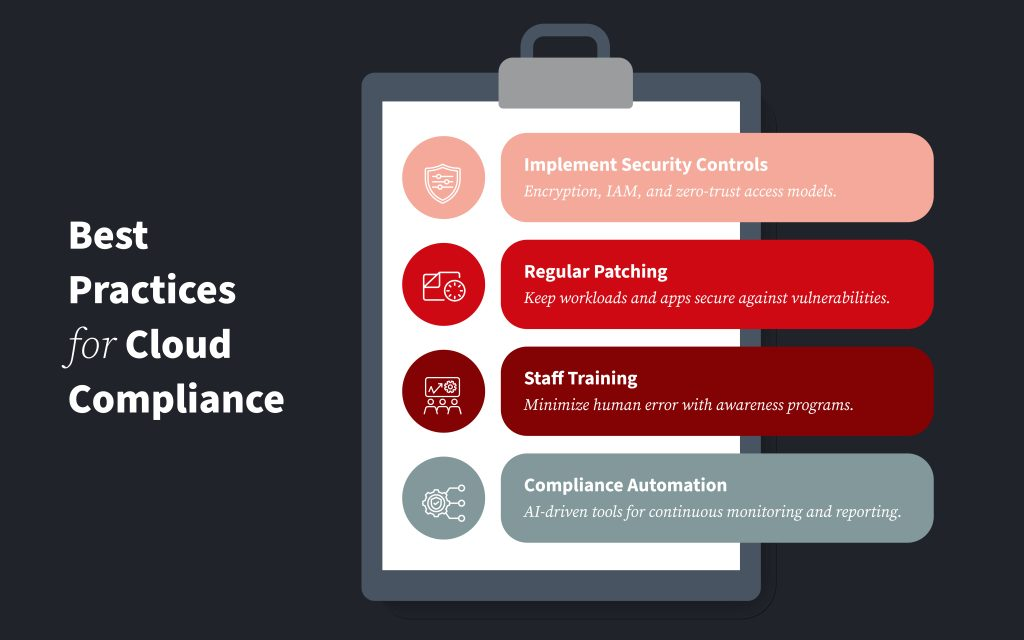
Following strong security practices helps organisations maintain compliance and protect their cloud infrastructure.
Regular Security Audits
Regular audits help businesses identify weaknesses, review security policies, and ensure compliance requirements are being followed.
Employee Security Training
Human mistakes are a major cause of security incidents. Training employees about phishing, password security, and safe cloud usage reduces risks.
Automated Security Monitoring
Automation tools can continuously monitor cloud environments, detect threats, and provide alerts when unusual activity occurs.
Regular Data Backups
Maintaining secure backups ensures businesses can recover important information after cyberattacks, accidental deletion, or system failures.
Cloud Compliance Tools and Solutions
Many organisations use specialised tools to improve cloud security and compliance management.
Cloud Security Posture Management Tools
CSPM solutions help businesses identify cloud security risks, monitor configurations, and maintain compliance with industry standards.
Identity Security Platforms
Identity management solutions help control user access, improve authentication, and prevent unauthorised account usage.
Security Information and Event Management Tools
SIEM platforms collect security data from multiple sources and help organisations detect threats through real-time monitoring and analysis.
Benefits of Cloud Compliance
Cloud compliance provides several advantages beyond meeting regulatory requirements.
Improved Data Protection
Strong compliance practices reduce the chances of data breaches and improve overall security.
Better Business Reputation
Companies with reliable security practices gain more trust from customers, partners, and stakeholders.
Reduced Cybersecurity Risks
Compliance frameworks help businesses identify vulnerabilities and implement preventive security measures.
Increased Operational Efficiency
Clear security policies and automated monitoring systems create smoother and more reliable cloud operations.
Future Trends in Cloud Compliance and Security

Cloud security continues to evolve as businesses adopt new technologies.
AI-Powered Security Monitoring
Artificial intelligence is improving threat detection by analysing large amounts of security data and identifying suspicious patterns faster.
Zero Trust Security Models
Zero Trust security requires continuous verification of users and devices before allowing access to cloud resources.
Privacy-Focused Cloud Solutions
Businesses are increasingly adopting privacy-focused technologies to provide stronger data protection and meet changing regulations.