
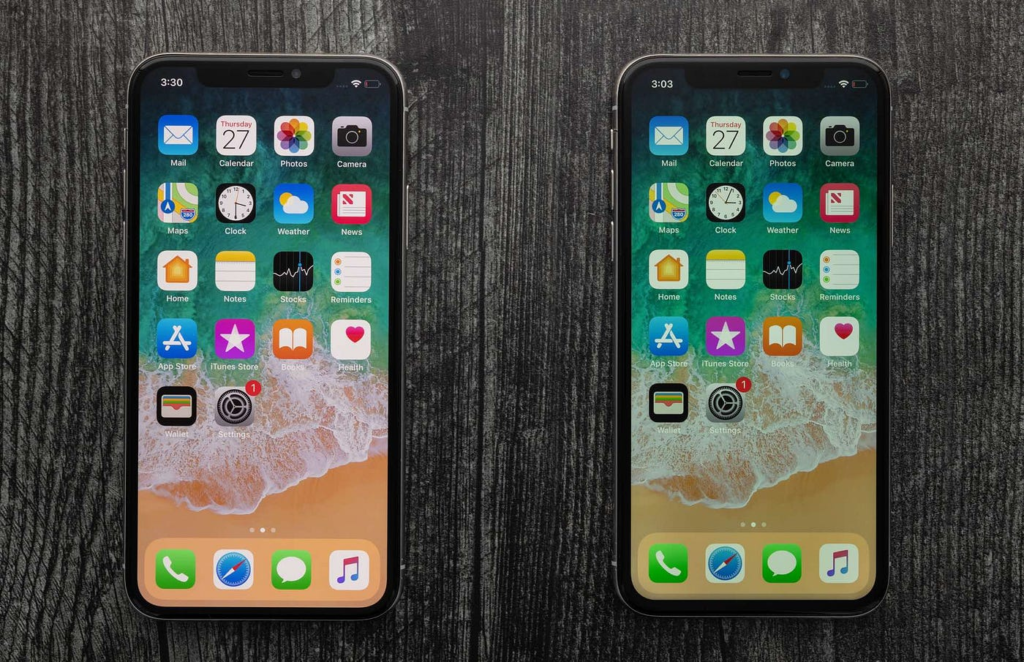
Let’s sit down and talk about something we all hold in our hands for hours on end every single day: our phones. If we are completely honest with ourselves, buying a new smartphone has turned into a total psychological nightmare. You walk into a retail store or browse an online marketplace, and you are instantly bombarded with a dizzying avalanche of confusing tech jargon. Sales reps will shout at you about gigahertz, megapixels, refresh rates, neural processing units, and liquid cooling systems until your head starts spinning. You start your shopping journey simply wanting a reliable device that won’t freeze up during a video call, but you end up feeling completely overwhelmed, wondering if you actually need to spend a massive fortune just to stay connected.
The blunt truth is that smartphone manufacturers are absolute masters at using flashy marketing tricks to make you overspend. They design gorgeous commercial ads that make you feel like your current, perfectly fine phone is a piece of prehistoric junk just because the new model has a slightly shiny titanium frame or a few extra artificial intelligence filters. As we move through the middle of 2026, the global smartphone market has reached an incredible peak where even affordable, mid-range devices are exceptionally fast and beautifully optimized. You absolutely do not need to drain your entire savings account to own a spectacular phone. Let’s peel back the corporate hype and walk through a highly practical, human-centered buying guide that cuts straight through the technical noise to help you find the absolute perfect device for your unique daily lifestyle.
Why Smartphones Have Become So Important
Let’s pause and appreciate just how wildly our relationship with these little glass slabs has shifted over the last couple of decades. It is genuinely wild to think that a device that originally started as a simple, clunky tool for making voice calls has successfully transformed into the primary remote control for our entire lives.
[Old Mobile Phone] ──► Call & Text Only ──► Isolated Device
[Modern Smartphone] ──► Bank / Camera / Office / Maps ──► Total Life Control Hub
Today, your smartphone isn’t just a phone—it is your physical wallet, your high-definition movie theater, your primary work office, your navigation map, and your most treasured family photo album all wrapped into one. We use them to instantly transfer money to friends, attend global business meetings while sitting in traffic, monitor our heart rates, and keep in touch with family members living thousands of miles away. Because this single machine bears the heavy burden of managing almost every single aspect of your waking life, taking the time to thoroughly understand what you are buying isn’t just a tech obsession—it is a vital investment in your everyday peace of mind, productivity, and sanity.
Understanding Your Needs Before Buying

The absolute biggest mistake you can ever make when shopping for a new phone is opening up a retail website before sitting down and having a deeply honest conversation with yourself about your actual daily habits.
Every single human being uses their phone completely differently, and there is no such thing as a one-size-fits-all device. If you are someone who primarily uses their phone to scroll through social media feeds, text friends on WhatsApp, and watch occasional YouTube videos, you have absolutely zero business buying an ultra-expensive pro model designed for mobile filmmakers. Your hard-earned money is much better spent on a device that prioritizes a gorgeous, bright screen and long battery life. On the flip side, if you are a passionate mobile gamer or an online content creator, your workflow genuinely demands a high-end processor and advanced camera sensors. By identifying your personal daily priorities first, you build a powerful shield against clever marketing traps and save yourself a massive amount of cash.
Budget Considerations and Pricing Realities
Let’s talk about money, because this is where the smartphone industry loves to play intense psychological mind games with consumers. Phones are generally divided into three distinct pricing tiers: entry-level budget options, highly competitive mid-range champions, and ultra-premium flagship status symbols.
[Budget Tier] ──► Basic Everyday Utilities ──► Low Price
[Mid-Range Tier] ──► Best Value for 90% of Humans ──► Sweet Spot
[Flagship Tier] ──► Luxury Cutting-Edge Tech ──► Extreme High Price
The premium flagship market is full of jaw-droppingly gorgeous devices, but you need to ask yourself if you are paying for actual functional utility or just the luxury brand logo. The most exciting news for buyers in 2026 is that the mid-range smartphone tier has become an absolute sweet spot of value. Manufacturers are actively trickling down elite features—like vibrant premium displays, high-speed charging, and brilliant primary cameras—into highly affordable packages. Unless you have a specific, professional need for extreme processing power or niche camera zoom lenses, a well-chosen mid-range device will easily satisfy ninety percent of your daily needs without leaving a massive dent in your finances.
The Importance of Display Quality
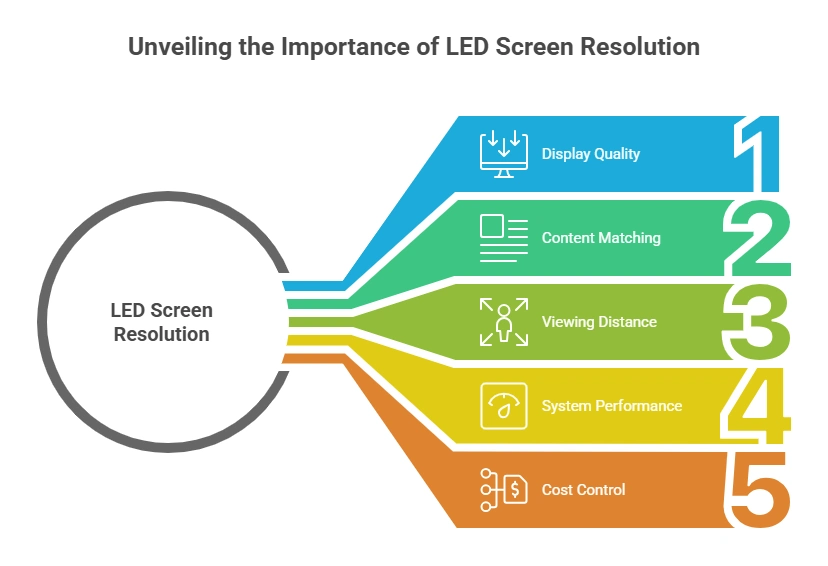
Think about it: the screen is the literal physical window through which you experience absolutely everything on your phone. Whether you are reading an important work email, typing a message, or watching a movie, you are looking directly at the display panel, making its quality non-negotiable.
When you are comparing different phone screens, don’t just focus on the physical size; pay close attention to the underlying panel technology. You will primarily see two terms: LCD and AMOLED. If your budget allows for it, you should always choose an AMOLED display. AMOLED screens provide jaw-droppingly vibrant colors, ink-like deep blacks, and spectacular contrast that makes text look crisp and easy to read. Furthermore, keep an eye out for screens with a high refresh rate of 90Hz or 120Hz. This technology makes the entire user interface feel buttery smooth, completely eliminating stuttering animation lag when you are scrolling through articles or menus.
Performance, Processing Power, and Core RAM
The processor—often called the chipset or the SoC—acts as the literal brain of your smartphone. Every single swipe, app launch, photo capture, and menu navigation is completely powered by the raw calculation speed of this tiny piece of silicon.
To keep your phone running flawlessly without annoying stutters, you need to pair a reliable processor with an adequate amount of RAM (Random Access Memory). Think of RAM as your phone’s temporary mental desktop; the more space it has, the more tasks it can handle at the exact same moment. If you buy a phone with insufficient RAM, the operating system will constantly force your background apps to close down, causing irritating delays when you try to switch back to them. For a smooth, future-proof experience that will comfortably last you for the next several years, aim for a minimum of 8GB of RAM on modern devices.
Storage Capacity and Dealing with Digital Clutter

There is nothing quite as incredibly frustrating as trying to capture a beautiful, spontaneous video of a family celebration only for your phone to suddenly flash a cold, robotic warning saying “Storage Full: Cannot Record Video.”
Our digital lives are expanding at an absolutely frantic pace. Mobile apps are getting heavier, system updates consume massive space, and high-resolution cameras generate massive file sizes. While cloud storage options are incredibly helpful for backing up old files, having plenty of local, on-device storage is vital for instant offline access. In today’s digital climate, purchasing a phone with a mere 64GB of storage is an absolute recipe for regular anxiety. You should look at 128GB as the bare minimum starting baseline, while heavy media users, parents who take thousands of baby photos, and serious gamers should strongly consider jumping up to 256GB to breathe completely easy.
Camera Quality and the Megapixel Myth
Let’s shatter one of the oldest, most deceptive lies in the entire tech industry: more megapixels do not automatically mean you will get better photos. Smartphone brands love to boast about massive 100-plus megapixel numbers on their boxes because it is an easy metric to market to unsuspecting shoppers.
[High Megapixels + Tiny Cheap Sensor] ──► Blurry, Noisy, Poor Low-Light Photos
[Smart AI Tuning + Large Quality Sensor] ──► Gorgeous, Crisp, Vibrant Professional Images
The real secret behind breathtaking smartphone photography comes down to the physical size of the camera sensor and the intelligence of the internal software processing. A massive megapixel count compressed onto a tiny, cheap sensor will still produce blurry, dark, and grainy photos the second you step indoors or sit down for a dinner under low lighting. When reading reviews, ignore the marketing numbers and focus heavily on real-world photo samples. Look at how the camera handles difficult lighting situations, check if it has Optical Image Stabilization (OIS) to prevent blurry hand-shake photos, and ensure the colors look natural, warm, and true to life.
Battery Life and Fast Charging Realities

You can own the most powerful flagship phone in the entire world with the most advanced camera system ever designed, but it becomes an expensive, useless piece of dead glass the second the battery icon drops down to zero percent.
A reliable, long-lasting battery is the ultimate unsung hero of the entire smartphone experience. You should ideally look for a device packed with a battery capacity of at least 5,000mAh, combined with an energy-efficient processor. But battery size is only one half of the modern equation; you also need to check the supported fast-charging wattage. Life moves way too fast to spend three agonizing hours tied to a wall outlet waiting for your phone to juice up. Modern fast-charging allows you to plug your phone in while you take a quick morning shower and walk out the door with enough power to comfortably last the entire day.
Operating Systems: The Human Experience
Choosing between the two dominant smartphone software ecosystems—Apple’s iOS and Google’s Android—is a deeply personal decision that shapes how your phone looks, feels, and operates every single second of the day.
[Apple iOS Ecosystem] ──► Simple / Uniform / Secure / High Resale Value
[Google Android World] ──► Infinite Freedom / Customization / Wide Budget Choice
Apple’s iOS platform is highly famous for its clean simplicity, uniform app design, iron-clad security, and the fluid way it connects with other Apple products like MacBooks and iPads. It just works, but it offers very little room for personal customization. On the other side of the fence, Google’s Android world offers absolute creative freedom, infinite customization options, and a massive variety of hardware designs across different price points. There is no wrong answer here; the smartest choice is always to pick the operating system that feels naturally comfortable to your fingers and matches your personal tech habits.
The Massive Value of Long-Term Software Updates
When people are comparing phones, they almost always look at the physical body and the price tag, completely overlooking a hidden detail that can drastically shorten your phone’s lifespan: the manufacturer’s software update policy.
A smartphone is a serious financial investment, and you want to ensure it stays completely secure and fast for years down the line. Cheap, unbranded phones are often abandoned by their creators the second they leave the factory floor, meaning they will never receive critical security patches or new features. This leaves your private data highly vulnerable to modern digital threats and causes your favorite apps to slowly stop working. Reputable brands now proudly promise anywhere from four to seven years of guaranteed software updates. Prioritizing a phone with long-term update support ensures your device stays feeling fresh, secure, and snappy, giving you exceptional value for your money.
Common Mistakes to Avoid When Buying
- Buying strictly for the brand name: Don’t blindly purchase a phone just because all your friends own it or because it is a popular status symbol; evaluate what the device actually delivers to your daily life.
- Completely ignoring long-term battery reviews: Never let a gorgeous, ultra-thin phone design fool you into buying a device with a tiny, weak battery that will die by 3 PM every single afternoon.
- Overspending on wild, niche features: Be deeply honest about whether you truly need hyper-specialized features like 100x moon zoom or professional cinematic color-grading tools before paying a massive premium for them.
- Forgetting to factor in accessory costs: Remember that many modern phone boxes no longer include a wall charging brick or protective earphones, so you need to budget a little extra for those vital accessories.
Artificial Intelligence and Future Mobile Trends

As we move forward through 2026, artificial intelligence is no longer just a futuristic concept talked about in science fiction movies—it has officially become the driving force behind the entire smartphone user experience.
The newest generation of smartphones features deeply integrated, on-device AI engines that work quietly behind the scenes to make your life incredibly smooth. These smart phones can instantly translate foreign languages in real-time during a live voice call, automatically erase distracting background objects from your vacation photos, and intelligently manage your phone’s internal cooling system. AI even monitors your personal sleep schedules to slow down your battery charging speed overnight, protecting the delicate health of your battery so it doesn’t degrade over time. The future of mobile tech is all about building a phone that actively learns your human habits and adapts straight to you.
Conclusion: Making Your Final Smart Decision
At the end of the day, the ultimate smartphone isn’t the one that costs the absolute most money or has the highest scores on technical benchmark tests. The absolute best phone is the one that fits seamlessly into your daily life, solves your personal frustrations, and stays completely out of your way.
Take a deep breath, ignore the aggressive marketing campaigns, and focus entirely on the foundational pillars of a great user experience: a beautiful vibrant display, a rock-solid battery that you can trust, adequate local storage, and long-term software security support. When you find a phone that nails those core essentials while respecting your realistic budget boundaries, you can confidently tap that buy button. You will walk away knowing you made a deeply intelligent, highly practical decision that will keep you happily connected, productive, and entertained for many years to come.