Technology has become an essential part of the healthcare industry. Hospitals, clinics, and healthcare providers now rely on advanced software solutions to improve patient care, manage medical records, streamline operations, and enhance communication. In 2026, healthcare technology software is helping medical organizations work more efficiently while delivering better healthcare services to patients.
The healthcare industry generates large amounts of data every day. Managing appointments, patient records, billing, prescriptions, diagnostics, and staff schedules manually can be challenging. Healthcare software simplifies these tasks by automating processes and improving accuracy.
Modern healthcare technology not only helps doctors and nurses but also improves the patient experience. From online appointment booking and telemedicine services to electronic health records and AI-powered diagnostic tools, software solutions are transforming the way healthcare is delivered.
As healthcare demands continue to grow, technology software is becoming a critical investment for hospitals and healthcare providers worldwide.
Top Healthcare Software Categories in 2026
| Software Type | Main Purpose | Key Benefit |
|---|---|---|
| Electronic Health Records (EHR) | Patient data management | Faster access to medical history |
| Hospital Management Software | Operations management | Improved efficiency |
| Telemedicine Software | Virtual consultations | Better accessibility |
| Medical Billing Software | Financial management | Faster payment processing |
| Appointment Scheduling Software | Patient booking | Reduced waiting times |
| Healthcare CRM Software | Patient communication | Better engagement |
| AI Diagnostic Software | Medical analysis | Improved accuracy |
| Pharmacy Management Software | Medicine tracking | Better inventory control |
| Healthcare Analytics Software | Data analysis | Smarter decisions |
| Cybersecurity Software | Data protection | Enhanced privacy |
Electronic Health Records (EHR) Software
Electronic Health Record software is one of the most important healthcare technologies used today. It allows hospitals and clinics to store patient information digitally instead of relying on paper records.
Doctors can quickly access medical history, prescriptions, allergies, laboratory reports, and treatment plans from a centralized system. This improves efficiency and reduces the risk of medical errors.
EHR software also improves communication between healthcare departments, allowing providers to deliver faster and more coordinated care.
As healthcare becomes more data-driven, EHR systems continue to play a major role in modern medical facilities.
Hospital Management Software
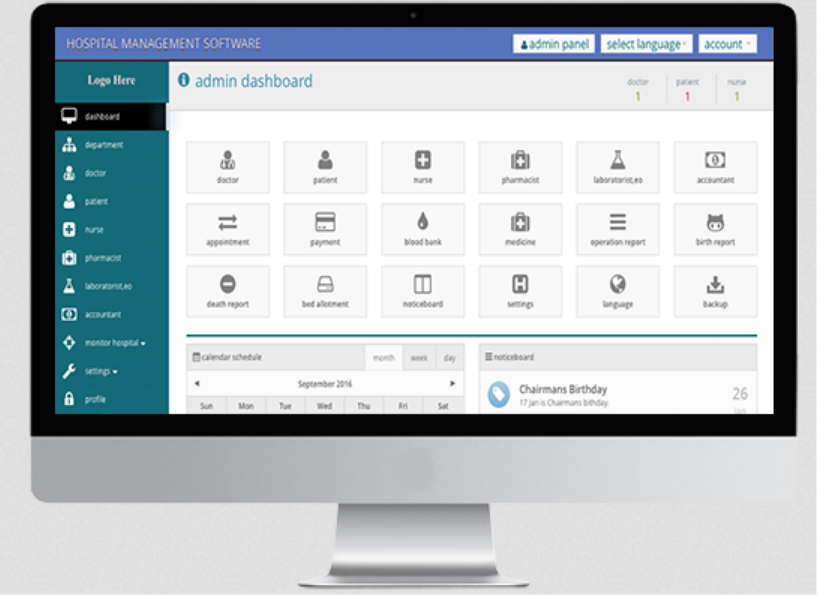
Managing a hospital involves many complex operations, including staff scheduling, patient admissions, resource allocation, inventory management, and financial tracking.
Hospital management software helps healthcare organizations automate these processes and improve operational efficiency.
With a centralized platform, administrators can monitor hospital performance, manage departments, and ensure smooth daily operations.
These systems reduce paperwork and help healthcare providers focus more on patient care rather than administrative tasks.
Telemedicine Software
Telemedicine has become one of the fastest-growing areas of healthcare technology. Patients can now consult doctors remotely through video calls, mobile applications, and online healthcare platforms.
This technology is particularly useful for people living in remote locations or those who have difficulty visiting hospitals regularly.
Telemedicine software helps healthcare providers expand their services while improving patient convenience.
The demand for virtual healthcare solutions continues to grow because they save time and increase accessibility.
Medical Billing and Revenue Management Software
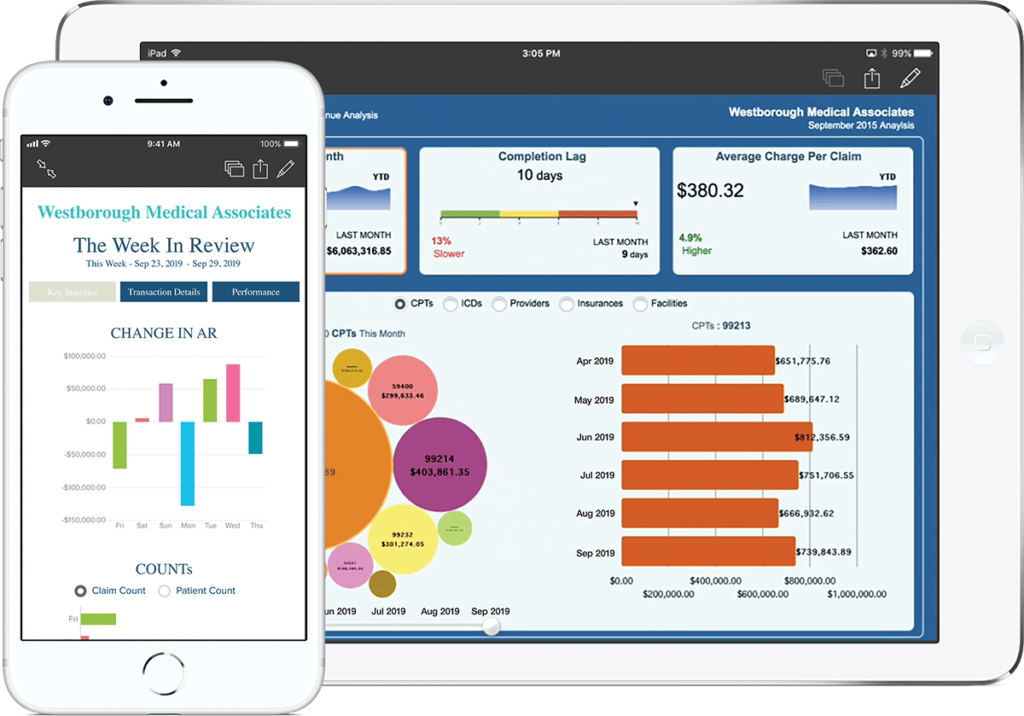
Healthcare organizations handle large volumes of financial transactions every day. Medical billing software simplifies the process of managing invoices, insurance claims, payments, and financial reporting.
Automated billing systems reduce errors and improve revenue collection.
Healthcare providers can process claims more efficiently while maintaining accurate financial records.
These solutions help hospitals improve cash flow and reduce administrative workload.
Appointment Scheduling Software
Appointment scheduling software makes it easier for patients to book, reschedule, or cancel appointments online.
Hospitals benefit from reduced scheduling conflicts and better management of patient flow.
Automated reminders also help reduce missed appointments, improving efficiency for healthcare providers.
Patients appreciate the convenience of booking appointments through websites and mobile applications.
AI-Powered Healthcare Software
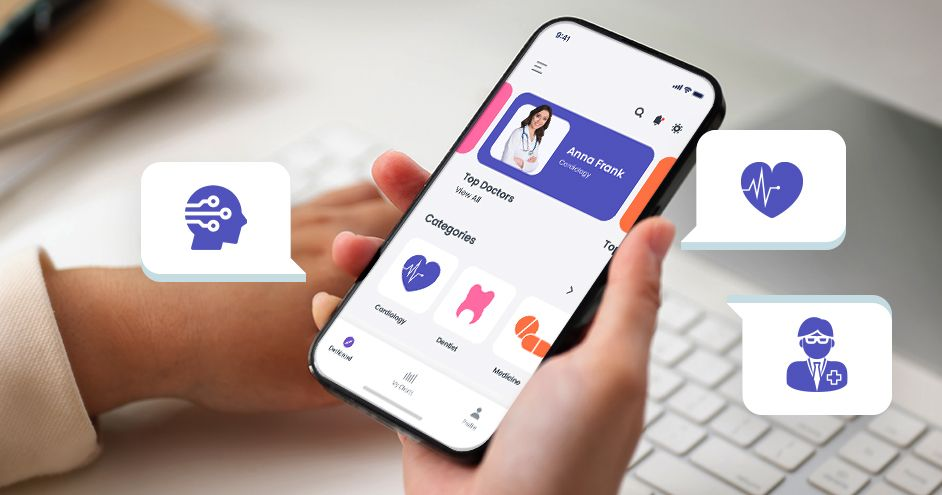
Artificial intelligence is becoming one of the most important innovations in healthcare technology.
AI-powered software can analyze medical images, identify disease patterns, assist in diagnostics, and support treatment recommendations.
These tools help doctors make more informed decisions while improving diagnostic accuracy.
AI systems are also being used for predictive healthcare, helping providers identify potential health risks before they become serious.
As AI technology continues to evolve, its role in healthcare is expected to expand significantly.
Healthcare Analytics Software
Data plays a major role in modern healthcare. Analytics software helps hospitals collect, analyze, and interpret healthcare data to improve decision-making.
Healthcare administrators can identify trends, monitor patient outcomes, and optimize resource allocation through data analysis.
Analytics tools also help organizations improve operational efficiency and reduce costs.
Better data insights lead to better patient care and stronger healthcare performance.
Pharmacy Management Software
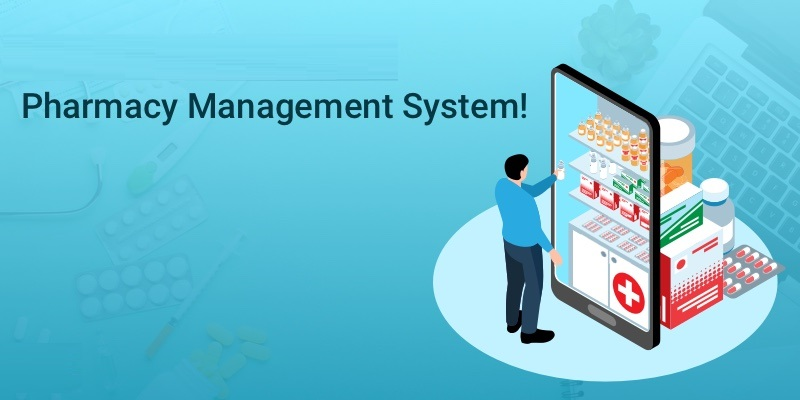
Managing medication inventory is critical for hospitals and pharmacies. Pharmacy management software helps track medicine stock, monitor expiration dates, and manage prescriptions efficiently.
These systems reduce medication errors and improve inventory control.
Automated tracking also helps healthcare organizations avoid shortages and maintain regulatory compliance.
Pharmacy software contributes to safer and more efficient healthcare operations.
Cybersecurity Software for Healthcare
Healthcare organizations store sensitive patient information, making them a target for cyberattacks.
Cybersecurity software helps protect patient records, financial information, and healthcare systems from unauthorized access.
Advanced security tools include encryption, threat detection, multi-factor authentication, and data backup systems.
Protecting patient data is essential for maintaining trust and meeting healthcare regulations.
As cyber threats increase, healthcare cybersecurity remains a top priority.
Pros and Cons of Healthcare Technology Software
| Pros | Cons |
|---|---|
| Improves patient care quality | High implementation costs |
| Reduces paperwork | Staff training required |
| Enhances operational efficiency | Technical issues may occur |
| Faster access to patient data | Dependence on technology |
| Better communication between departments | Data migration challenges |
| Supports remote healthcare services | Ongoing maintenance expenses |
| Improves diagnostic accuracy | Cybersecurity risks |
| Better financial management | Software integration complexities |
Future Trends in Healthcare Software
The future of healthcare software looks highly promising. Artificial intelligence, machine learning, cloud computing, and predictive analytics are expected to become even more advanced.
Healthcare providers are increasingly adopting cloud-based platforms that allow secure access to patient data from anywhere.
Wearable devices and remote monitoring systems will continue integrating with healthcare software to provide real-time health insights.
Personalized medicine, AI-assisted diagnosis, and smart hospital systems are expected to shape the future of healthcare technology.
Hospitals that invest in innovative software solutions will be better prepared to meet future healthcare challenges.
Conclusion
Healthcare technology software is transforming the healthcare industry by improving patient care, operational efficiency, and data management. From electronic health records and telemedicine platforms to AI diagnostics and cybersecurity solutions, these tools help hospitals and healthcare providers deliver better services.
Modern healthcare software reduces administrative burdens, improves communication, and supports smarter decision-making.